



Dreaming of Vietnam but unsure when to go? With its misty northern peaks, lantern-lit towns, and sun-drenched southern shores, this is a country that feels different in every season – and that’s exactly what makes it so captivating.
Stretching over 1,600 kilometers and spanning multiple climates, Vietnam offers something special year-round: golden rice fields in autumn, balmy beach escapes in winter, vibrant festivals in spring, and lush green landscapes in summer. Our month-by-month weather guide will help you uncover the best time to visit, tailored to your interests, so you can experience Vietnam in its most breathtaking light.
Overview of weather in Vietnam
Vietnam’s climate is as varied as its landscapes. Thanks to the country’s long, slender shape, you will encounter three distinct weather zones as you move from north to south — each offering its own rhythm of seasons and surprises.
North Vietnam (Hanoi, Halong Bay, Sapa, Ninh Binh):
A place of four true seasons. Winters (Dec–Feb) can be misty and cold, while summers (May–Aug) are hot and humid. Spring (Mar–Apr) and autumn (Sep–Nov) bring the best balance, with crisp air, clear skies, and landscapes in bloom.
Central Vietnam (Hue, Da Nang, Hoi An, Nha Trang, Phan Thiet):
Known for its sun-drenched summers (Feb–Aug) and a rainy season from Sep to Jan. Occasional storms may roll in, especially around October, but even rainy days have a certain poetic charm, especially in Hue’s imperial gardens or Hoi An’s lantern-lit streets.
Southern Vietnam (Saigon, Mekong Delta, Phu Quoc, Con Dao):
Think tropical all year round, with two main seasons: dry (Nov–Apr) and wet (May–Oct). Even in the rainy season, showers tend to be short and refreshing, clearing the air just in time for a sunset river cruise or a street food stroll.
The beauty of Vietnam’s varied climate is this: while one region may be drenched in rain, another is basking in sunshine. With smart planning, there is always somewhere beautiful to be, no matter the month.

Month-by-Month Travel Guide
January – A Fresh Start in Vietnam
Weather:
- North (Hanoi, Halong Bay, Sapa, Ninh Binh): Dry and chilly. Sapa can drop to 5°C, while Hanoi, Halong Bay, and Ninh Binh range from 12–20°C, with foggy mornings and occasional drizzle.
- Central (Hue, Da Nang, Hoi An, Nha Trang, Phan Thiet): Cooler days at 20–24°C, little rain, calm sea conditions.
- South (Saigon, Mekong Delta, Phu Quoc, Con Dao): Warm and dry, with daily highs of 28–32°C. Perfect for beach lovers and outdoor adventures.
Why visit: With fresh air and blue skies, January is perfect for exploring Hanoi’s historic streets, cruising Halong Bay, or relaxing on Phu Quoc’s beaches. It is also the season for trekking in Sapa.
Good to know: Tet (Vietnamese Lunar New Year) sometimes falls in late January. It is a joyful time filled with flowers, family reunions, and fireworks, but also means many shops close temporarily. Early planning is recommended as domestic travel peaks.
February – Spring Vibes and Tet Festivities
Weather:
- North (Hanoi, Halong Bay, Sapa, Ninh Binh): Cool and dry, with temperatures ranging from 15–23°C, while Sapa may still be quite cold. Drizzle and fog may linger, especially early in the month.
- Central (Hue, Da Nang, Hoi An, Nha Trang, Phan Thiet): Mostly dry with mild temperatures from 22–26°C. Occasional light rain in Hue and Da Nang.
- South (Saigon, Mekong Delta, Phu Quoc, Con Dao): Hot, sunny, and dry. Average highs of 28–33°C make it ideal for beach escapes and outdoor travel.
Why visit: February is a magical time to experience Tet, the Vietnamese Lunar New Year. Streets come alive with flowers, festivals, and fireworks. The weather is ideal across much of the country, especially for outdoor travel in the South.
Good to know: Tet (Vietnamese New Year) often falls in February. Cities are decorated with flowers and lights, but many shops and restaurants close during the first few days. Trains, flights, and hotels often sell out, so it is best to plan well ahead.
March – Sunshine Returns and Nature Awakens
Weather:
- North (Hanoi, Halong Bay, Sapa, Ninh Binh): Gradually warming (18–26°C). The skies clear up, mist fades, and spring flowers start blooming, especially in the mountainous north.
- Central (Hue, Da Nang, Hoi An, Nha Trang, Phan Thiet): Pleasant and mostly dry, ranging from 24–29°C. Sea conditions remain calm, making this a good time for beach relaxation and cultural exploration.
- South (Saigon, Mekong Delta, Phu Quoc, Con Dao): Dry season continues (30–35°C), perfect for cruising, cycling, or unwinding by the sea.
Why visit: March offers a beautiful blend of good weather and vibrant scenery. It is a great month for exploring Vietnam from north to south – from boat rides in Ninh Binh and lantern-lit evenings in Hoi An, to island escapes in Phu Quoc.
Good to know: With Tet holidays over, local life returns to normal. March is still shoulder season, so you can enjoy fewer crowds and easier hotel availability than in peak months. If you plan to hike in the north, pack layers as mornings and evenings can still be chilly.
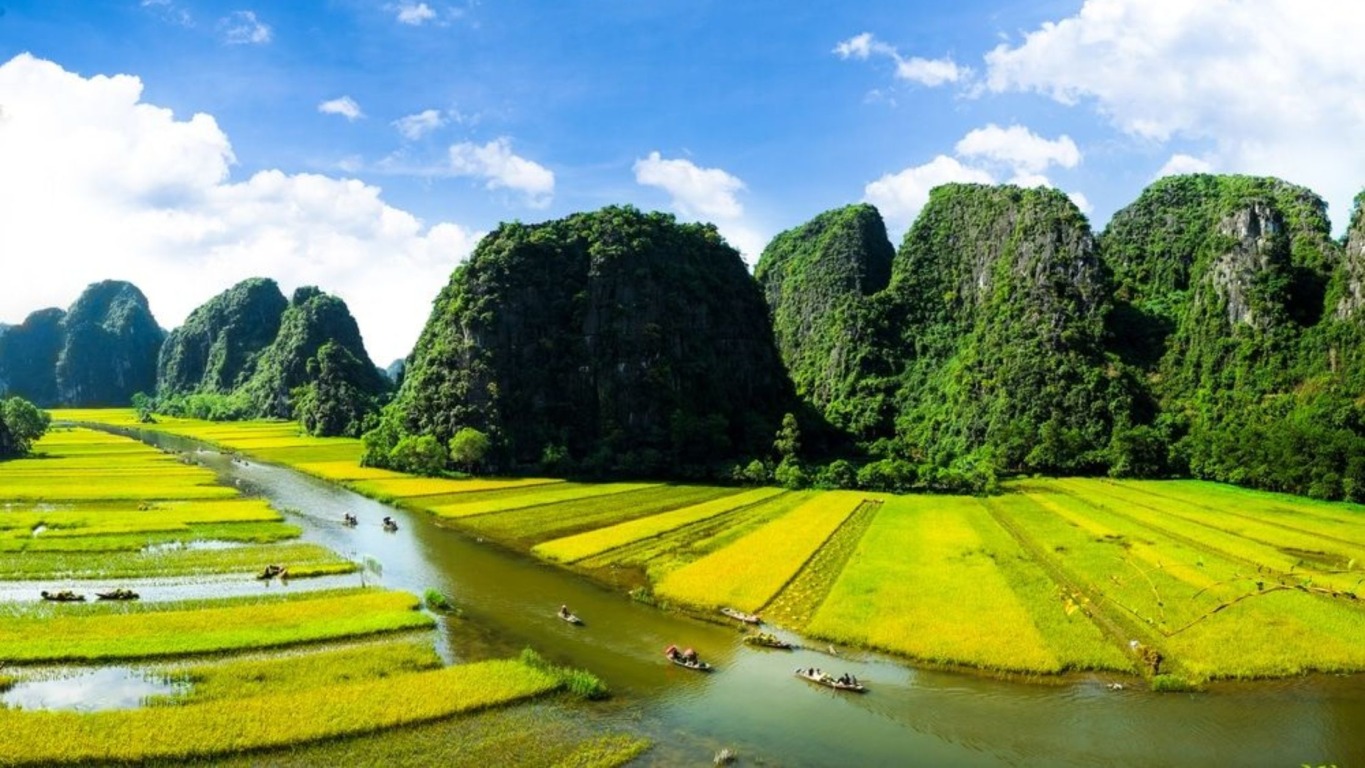
April – Golden Days Before the Summer Heat
Weather:
- North (Hanoi, Halong Bay, Sapa, Ninh Binh): Warm and dry, with temperatures from 22–30°C. Sunshine becomes more consistent, especially in Hanoi and Ninh Binh. Sapa remains pleasant, with clear skies and cool evenings.
- Central (Hue, Da Nang, Hoi An, Nha Trang, Phan Thiet): Excellent beach weather, with temperatures around 27–32°C. Rain is still minimal, and sea conditions are ideal for swimming and water activities.
- South (Saigon, Mekong Delta, Phu Quoc, Con Dao): Hot and dry, with Saigon and the Mekong Delta reaching 32–36°C.
Why visit: April is a fantastic time to explore Vietnam before the summer heat and rainy season arrive. From kayaking in Halong Bay and cycling in Ninh Binh to sunbathing in Nha Trang or snorkeling off Phu Quoc, the country offers a full range of experiences under golden skies. Nature is vibrant, and cultural sites are less crowded than during the Tet season.
Good to know: The Reunification Day holiday (April 30) and Labor Day (May 1) are national events, so local travel surges during this period. If you plan to travel at the end of the month, booking transport and accommodation early is recommended. Also, bring sunscreen and a hat, especially in the South and along the coast.
May – Lush Landscapes and the First Summer Showers
Weather:
- North (Hanoi, Halong Bay, Sapa, Ninh Binh): Hotter and more humid (26–34°C). Afternoon thunderstorms begin to appear, especially in late May, but mornings are often sunny. Mountains turn vibrant green.
- Central (Hue, Da Nang, Hoi An, Nha Trang, Phan Thiet): Generally dry and sunny, with temperatures between 28–34°C. Nha Trang and Phan Thiet are particularly good for beachgoers. Rain is still rare along the coast.
- South (Saigon, Mekong Delta, Phu Quoc, Con Dao): Transition into the rainy season begins, with temperatures around 30–35°C. Expect hot days and occasional short downpours, mostly in the afternoon or evening.
Why visit: May marks the sweet spot before Vietnam’s summer rush begins. The weather is warm and mostly dry across the country, making it ideal for beach escapes in Da Nang or Nha Trang, and scenic adventures in Sapa, while the hills are still lush and cool.
Good to know: Domestic travel begins to pick up toward the end of May as schools prepare to close for summer. Beach destinations like Phu Quoc and Hoi An may see more local families, so booking accommodation early is wise. The south starts to see occasional afternoon showers, especially in Ho Chi Minh City and the Mekong Delta.
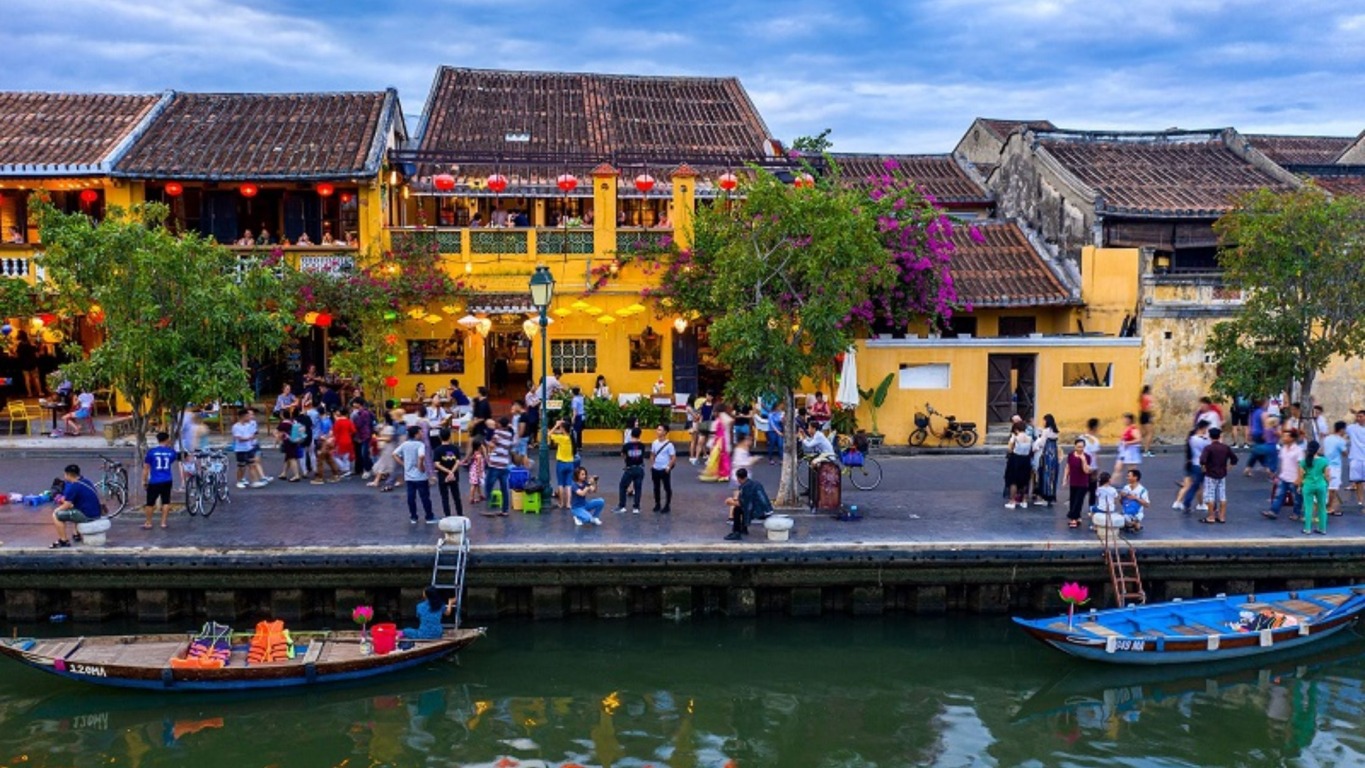
June – Green Landscapes and Tropical Rains
Weather:
- North (Hanoi, Halong Bay, Sapa, Ninh Binh): Warm to hot, with temperatures from 27–35°C. Rainfall increases, especially in the form of short afternoon showers or occasional storms. The countryside, including Sapa and Ninh Binh, is vividly green and photogenic.
- Central (Hue, Da Nang, Hoi An, Nha Trang, Phan Thiet): Dry and sunny in most areas, with temperatures ranging from 30–36°C. Central beaches are at their best, with clear skies and calm seas. Rain may begin to appear toward the end of the month in Hue.
- South (Saigon, Mekong Delta, Phu Quoc, Con Dao): The rainy season is underway, with daily highs of 29–34°C. Expect brief but heavy showers, typically in the late afternoon or evening. Mornings often remain clear and suitable for excursions.
Why visit: June brings dramatic natural beauty to Vietnam, rice fields in the north are at their greenest, waterfalls are full, and tropical fruits are abundant across the country. Central Vietnam, especially Hoi An, Nha Trang, and Quy Nhon, is ideal for a beach getaway. If you are a photographer or nature lover, this is an inspiring time to explore.
Good to know: Rain in the South usually comes in bursts, not all day, so bring a light raincoat and plan activities for mornings. Early June often sees better hotel rates and fewer domestic tourists than the peak in July and August, especially in beach destinations like Da Nang, Hoi An, and Nha Trang.
July – Summer Peaks and Lush Greenery
Weather:
- North (Hanoi, Halong Bay, Sapa, Ninh Binh): Hot and humid, with temperatures from 28–36°C. July is one of the wettest months in the north, with frequent afternoon showers and occasional storms, especially in the mountains. Sapa and the northern highlands are misty, lush, and dramatic.
- Central (Hue, Da Nang, Hoi An, Nha Trang, Phan Thiet): The sunniest region this time of year, 30–37°C, with long dry days – perfect for beach holidays and sightseeing, though midday heat can be intense.
- South (Saigon, Mekong Delta, Phu Quoc, Con Dao): Tropical rains arrive daily, mostly in short afternoon bursts. Temperatures stay around 27–33°C with high humidity.
Why visit: July is vibrant with local life and stunning scenery. In the north, terraced rice fields in areas like Mu Cang Chai and Sapa are vibrant and picturesque, offering incredible scenery for trekkers and photographers. While central Vietnam offers reliable sunshine for beach escapes and cultural visits to Hue or Hoi An.
Good to know: This is peak travel time for Vietnamese families on school break, especially in beach towns. Book early for better availability, and plan outdoor activities in the morning to avoid afternoon showers, particularly in the south.
August – Late Summer Adventures
Weather:
- North (Hanoi, Halong Bay, Sapa, Ninh Binh): Hot and humid, with temperatures from 27–35°C. Rain remains frequent, especially in the form of short, heavy showers. Sapa and the northern highlands are at their greenest, and rice terraces begin turning gold toward the end of the month.
- Central (Hue, Da Nang, Hoi An, Nha Trang, Phan Thiet): Still largely dry and sunny, with temperatures around 28–35°C. The central coast remains the best region for beach weather. Occasional showers may appear, particularly in Hue.
- South (Saigon, Mekong Delta, Phu Quoc, Con Dao): Continued rainy season, with highs from 28–33°C. Rain typically arrives in short bursts, leaving the rest of the day warm and humid.
Why visit: August offers the last burst of summer energy. Central Vietnam still shines with beach weather, while the northern mountains are beautiful for cultural and nature-based adventures like rice field walks and village visits.
Good to know: Domestic travel starts to slow down in the second half of the month as schools prepare to reopen. This means fewer crowds and more availability at hotels – especially toward the end of August. Always pack light rain gear, especially if heading south.

September – A Gentle Shift into Autumn
Weather:
- North (Hanoi, Halong Bay, Sapa, Ninh Binh): Cooler and more pleasant, with temperatures from 25–32°C. Rain begins to ease, especially later in the month. Sapa and the northwest glow with golden rice terraces.
- Central (Hue, Da Nang, Hoi An, Nha Trang, Phan Thiet): Warm and humid, 27–33°C. Rain increases in Hue and Da Nang, while Nha Trang and Mui Ne stay mostly dry.
- South (Saigon, Mekong Delta, Phu Quoc, Con Dao): Still in the rainy season, with highs of 27–32°C. Showers are often short and happen in the afternoon.
Why visit: September is perfect for visiting the north, where rice fields in Sapa, Mu Cang Chai reach peak golden color. The weather softens across the country, and popular sites are less crowded after summer.
Good to know: Mid-autumn celebrations (Tết Trung Thu) may take place this month, particularly in cities like Hanoi and Hoi An, with lion dances, colorful lanterns, and mooncakes. While some areas still see rainfall, it rarely affects full-day plans. Trekking in the north is especially popular in early September – plan ahead if you are visiting during harvest festivals.
October – Ideal Weather Returns
Weather:
- North (Hanoi, Halong Bay, Sapa, Ninh Binh): Clear and cool, with temperatures from 20–28°C. Rainfall drops sharply. Sapa enters its best trekking season, with crisp air and golden hills.
- Central (Hue, Da Nang, Hoi An, Nha Trang, Phan Thiet): Rain increases in Hue and Hoi An due to the northeast monsoon (occasional flooding possible), with temperatures ranging from 23–27°C. Nha Trang and Mui Ne remain drier, with temperatures from 26–32°C.
- South (Saigon, Mekong Delta, Phu Quoc, Con Dao): Rain starts to ease, with highs of 26–32°C. Skies begin to clear, especially later in the month.
Why visit: October brings some of the most pleasant weather of the year in the north and south. It is ideal for nature lovers, cultural explorers, and photographers. Less humidity, clear views, and vibrant street life await.
Good to know: Weather in Central Vietnam can be unpredictable, with occasional typhoons affecting areas like Hue and Hoi An. So check weather forecasts and stay flexible with travel plans.
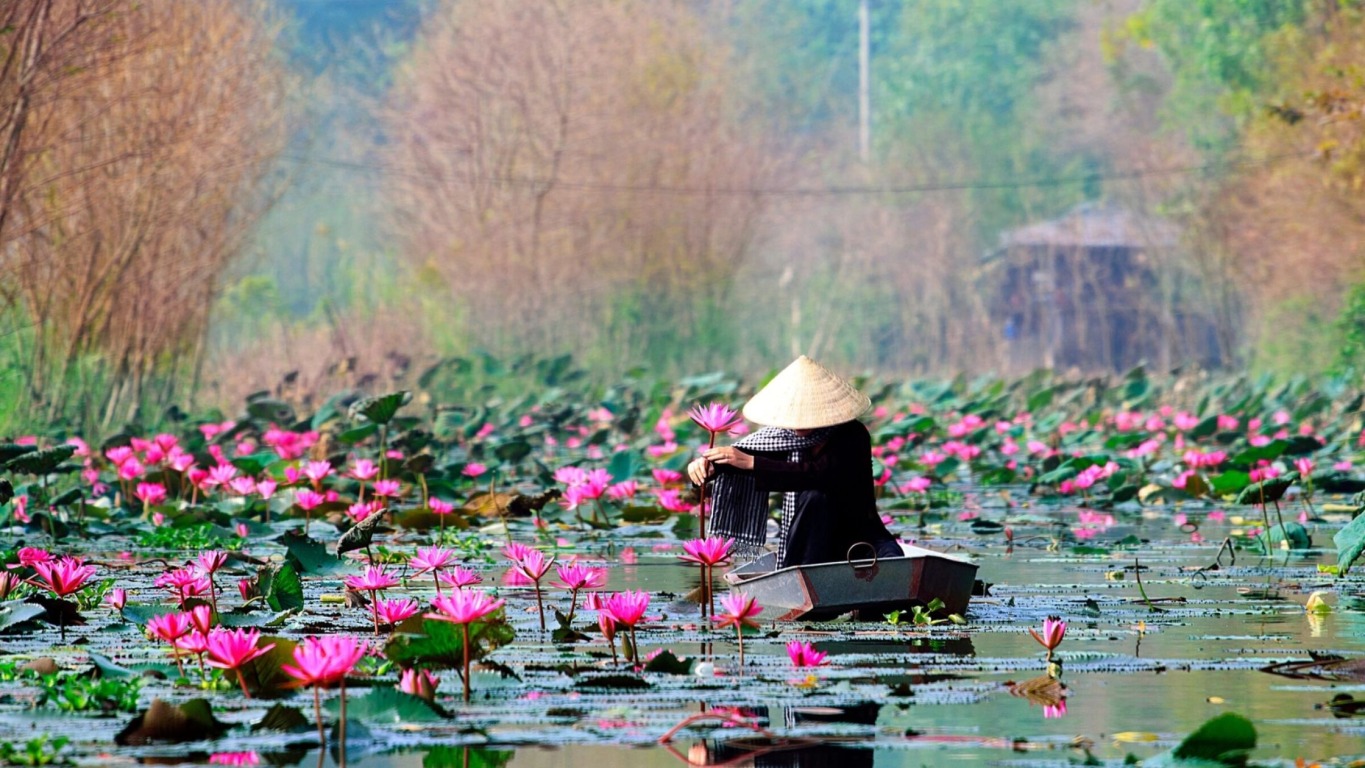
November – Clear Days and Perfect Exploring Weather
Weather:
- North (Hanoi, Halong Bay, Sapa, Ninh Binh): Cool and dry, with temperatures from 18–26°C. Clear skies and fresh air make it ideal for trekking, cruising, and countryside trips.
- Central (Hue, Da Nang, Hoi An, Nha Trang, Phan Thiet): Rain persists, especially in Hue, temperatures stay around 22–25°C, with cooler evenings. Nha Trang and Phan Thiet are drier and warmer, around 23–28°C.
- South (Saigon, Mekong Delta, Phu Quoc, Con Dao): Dry season returns, with daily highs of 27–31°C. Blue skies and low humidity make this one of the best times to visit.
Why visit: November offers some of the best travel conditions in Vietnam, especially in the north and south. From wandering Hanoi’s Old Quarter to relaxing on Phu Quoc’s beaches, the weather is just right. The Mekong Delta is vibrant and full of life after the rains.
Good to know: Central Vietnam can still see heavy showers, but this usually improves by late November. The north may feel chilly in the evenings – a light jacket is useful. This is the start of peak tourist season. Book popular accommodations and tours in advance, especially in Halong Bay, Sapa, and Phu Quoc.
December – Festive Vibes and Fresh Air
Weather:
- North (Hanoi, Halong Bay, Sapa, Ninh Binh): Dry and chilly, with temperatures from 12–22°C. Sapa can drop to 5–8°C at night. Skies are mostly clear, though fog may appear in early mornings.
- Central (Hue, Da Nang, Hoi An, Nha Trang, Phan Thiet): Rain still lingers in Hue and Hoi An, but tends to ease toward the end of the month, with temperatures ranging from 20–24°C. Nha Trang and Phan Thiet are dry and sunny.
- South (Saigon, Mekong Delta, Phu Quoc, Con Dao): At its best, warm, dry, and sunny. Temperatures range from 24–30°C. Ideal for beach trips, cruises, and outdoor activities.
Why visit: December is one of the most pleasant months to visit Vietnam, especially in the south and north. Hanoi is cool and festive, Halong Bay enjoys clear sailing conditions, and Phu Quoc offers perfect beach weather. It is a great time for combining cultural highlights with seaside relaxation.
Good to know: Year-end travel peaks across Vietnam as locals and international visitors make the most of the holiday season. Beach destinations like Phu Quoc and Con Dao are especially popular due to perfect weather and limited resort capacity. Be sure to book your accommodations and domestic flights early to secure your ideal getaway.
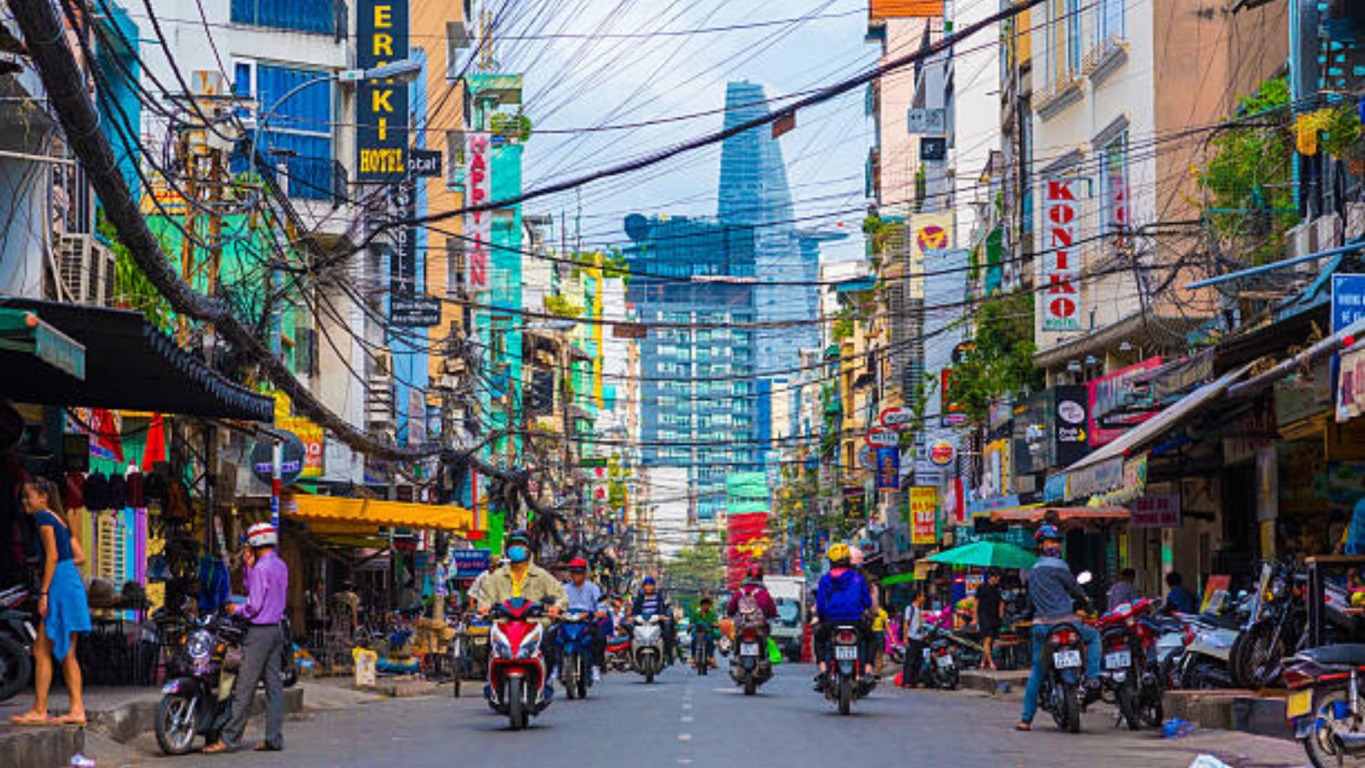
So, When Should You Visit Vietnam?
There is no single “best” time – it all depends on the kind of journey you are dreaming of. Here is how to plan your trip based on your interests:
☀️ If you love beaches and sunshine:
South & Phu Quoc: Best from November to April with warm, dry, sunny days.
Central Coast (Hoi An, Da Nang, Nha Trang): Best from March to August, when the seas are calm and skies are clear.
🥾 If you enjoy trekking or cultural experiences:
The northern highlands, like Sapa and Ha Giang, shine from March to May and September to November, with blooming spring terraces or golden autumn rice fields. For a cultural twist, January and February bring Tet and lively local festivals, though it can be colder and busier.
💸 If you are traveling on a budget: The low season – particularly May, June, and September – brings fewer crowds and better rates. You might catch some rain, but also lush landscapes and more intimate local encounters.
From misty mountain trails to sun-kissed shores, Vietnam offers something different in every season. No matter when you go, there is always a part of Vietnam that shines.