



Planning a trip to Thailand but unsure when to go? From golden temples in the misty north to palm-fringed islands in the tropical south, Thailand is a land of contrasts – and its shifting seasons are part of the magic. With lush mountains, vibrant cities, tropical jungles, and two distinct coastlines, the weather changes as you move from Chiang Mai to Phuket or Koh Samui. This month-by-month guide will help you choose the best time to visit based on your travel style – so you can experience Thailand at its most enchanting.
Overview of Weather in Thailand
Thailand’s weather is shaped by its tropical climate and regional geography, creating three main regions with distinct patterns: the North, Central, and South. While the country generally experiences three seasons – hot, cool, and rainy – each region dances to its own rhythm.
Northern Thailand (Chiang Mai, Chiang Rai, Pai): Characterized by a cool, dry season from November to February, perfect for trekking, festivals, and mountain escapes. From March to May, temperatures soar, especially in lowland areas. The rainy season (June to October) brings lush greenery, refreshing showers, and quieter trails.
Central Thailand (Bangkok, Ayutthaya, Kanchanaburi): Expect hot and humid weather nearly year-round, with peak heat from March to May. The cooler months (November to February) offer more pleasant days for temple hopping and exploring city life. Rain falls mainly between May and October, often in dramatic afternoon bursts.
Southern Thailand (Phuket, Krabi, Koh Samui, Koh Tao): Split by two coastlines – the Andaman Sea (west) and the Gulf of Thailand (east) – the south has a tropical monsoon climate.
- The Andaman coast (Phuket, Krabi) is best from November to April, with sunshine and calm seas. Rainy season peaks from May to October, with some resorts closing temporarily.
- The Gulf coast (Koh Samui, Koh Phangan) enjoys its driest weather from January to August, while October to December can bring heavier rain.
The beauty of Thailand’s diverse climate is that there is always a region with perfect weather, no matter when you travel. With a little planning, you can match your trip to the season that suits your dream experience – whether that is island hopping, jungle trekking, or cultural discovery.

Month-by-Month Travel Guide
January – Cool Breezes and Crystal Skies
Weather:
- Northern Thailand (Chiang Mai, Chiang Rai, Pai): Cool and dry, with daytime temperatures ranging from 15–28°C and chilly mornings that may dip below 12°C in the mountains.
- Central Thailand (Bangkok, Ayutthaya, Kanchanaburi): Warm and comfortable, with clear skies and temperatures between 23–32°C.
- Southern Thailand
- Andaman Coast (Phuket, Krabi, Koh Phi Phi): Peak dry season with sunny skies, calm seas, and highs around 30–32°C.
- Gulf Coast (Koh Samui, Koh Phangan, Koh Tao): Transitioning from the rainy season, early January may still see light showers, but conditions improve by mid-month.
Why visit: January is one of the best months to explore Thailand. The North offers crisp mountain air and scenic trekking trails, while the Central Plains are ideal for temple-hopping and cycling through historic ruins. Down South, the beaches are sun-soaked and picture-perfect – from Andaman gems like Phi Phi to the quieter corners of Koh Lanta.
Good to know: This is peak tourist season, especially around New Year. Beaches, national parks, and major cities can be busy, so booking in advance is essential. Temperatures are pleasant throughout the country, making it an excellent time for both cultural discovery and coastal relaxation.
February – Sunshine, Festivals, and Island Hopping
Weather:
- Northern Thailand (Chiang Mai, Chiang Rai, Pai): Dry and pleasantly cool, with temperatures from 16–30°C. Mornings and evenings remain crisp, especially in the hills.
- Central Thailand (Bangkok, Ayutthaya, Kanchanaburi): Sunny and warm, averaging 25–34°C. Humidity is still manageable, perfect for city exploring.
- Southern Thailand
- Andaman Coast (Phuket, Krabi, Koh Lanta): Glorious beach weather continues, with blue skies, calm seas, and highs around 31°C.
- Gulf Coast (Koh Samui, Koh Phangan, Koh Tao): Wetter than the west coast, but conditions improve steadily throughout the month. Expect occasional showers early in the month, especially on Koh Samui.
Why visit: February is a golden time for travelers seeking sun, sea, and celebration. From lantern-lit beach nights in Krabi to hiking adventures in Chiang Mai, the country shines under dry skies. Northern Thailand celebrates Makha Bucha Day, a serene Buddhist festival marked by candlelight processions in temples.
Good to know: As it is still peak season, popular spots like Bangkok, Phuket, and Chiang Mai can get crowded. Book accommodation and internal flights early. Beach conditions are best on the Andaman Coast, while Gulf islands become more inviting later in the month.
March – Clear Skies and Cultural Charm
Weather:
- Northern Thailand (Chiang Mai, Chiang Rai, Pai): Warm and dry. Daytime temperatures climb to 32–35°C toward the end of the month, while mornings remain pleasant and comfortable.
- Central Thailand (Bangkok, Ayutthaya, Kanchanaburi): Hotter days with highs around 28–36°C. Rain is still uncommon, and skies are mostly sunny.
- Southern Thailand
- Andaman Coast (Phuket, Krabi, Koh Lanta): Excellent beach conditions continue. Days are dry, water is clear, and temperatures reach around 33°C.
- Gulf Coast (Koh Samui, Koh Phangan, Koh Tao): The rainy season starts to fade. Expect warmer, mostly dry days, especially in mid-to-late March.
Why visit: March is a wonderful month to enjoy Thailand’s mix of culture and nature. Clear skies make it perfect for island hopping, temple visits, or relaxing on the beach. Chiang Mai’s flower gardens are still in bloom, and river cruises in Bangkok offer scenic views with gentle breezes.
Good to know: March marks the end of the high season, so you can enjoy great weather with slightly fewer crowds. In northern regions, haze or smoke from agricultural burning can occur, particularly in rural areas. Check air quality if you plan outdoor activities or trekking.
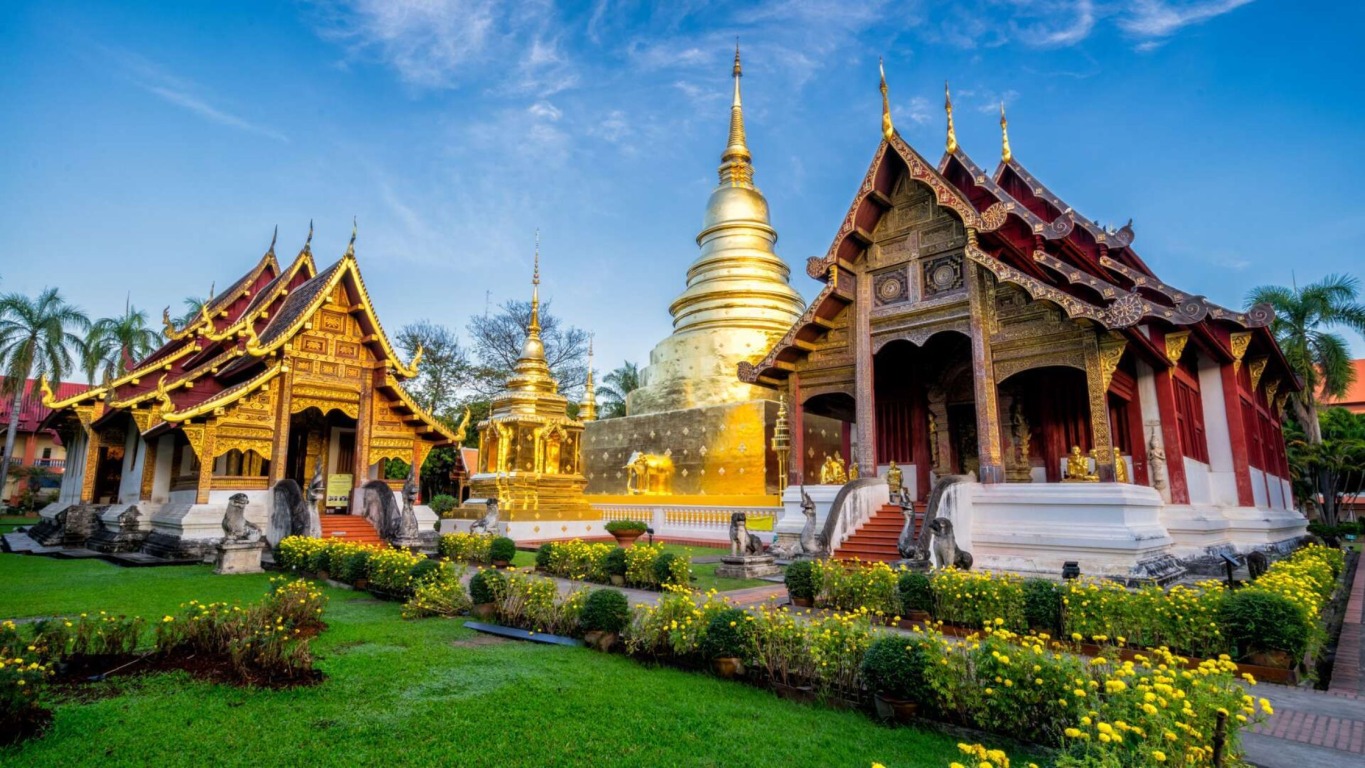
April – Songkran and Sizzling Sunshine
Weather:
- Northern Thailand (Chiang Mai, Chiang Rai, Pai): Hot and dry, with temperatures reaching 36–40°C during the day. The heat can be intense, especially in cities.
- Central Thailand (Bangkok, Ayutthaya, Kanchanaburi): Scorching hot, with highs often above 37°C. Minimal rain, but humidity begins to rise.
- Southern Thailand
- Andaman Coast (Phuket, Krabi, Koh Lanta): conditions are mostly sunny early in the month, but short tropical showers and increasing humidity can appear toward late April.
- Gulf Coast (Koh Samui, Koh Phangan, Koh Tao): Mostly dry, with temperatures around 34°C. Ideal for beach lovers.
Why visit: April brings Thailand’s biggest celebration – Songkran (Thai New Year). Streets turn into playful water fights, especially in Chiang Mai and Bangkok. It is a joyful, refreshing way to cool off in the heat. Southern beaches still offer great conditions for sun-seekers and divers.
Good to know: Songkran usually runs from April 13–15, though festivities can last longer in some cities. Expect crowds, road closures, and water splashing everywhere. It is best to book accommodation early and prepare for high temperatures with sun protection and hydration.
May – The Green Season Begins
Weather:
- Northern Thailand (Chiang Mai, Chiang Rai, Pai): The first rains arrive, cooling the air slightly. Daytime temperatures hover around 30–34°C, with short but heavy showers in the afternoon or evening.
- Central Thailand (Bangkok, Ayutthaya, Kanchanaburi): Hot and humid, with highs of 33–36°C. Rain showers become more frequent but rarely last all day.
- Southern Thailand
- Andaman Coast (Phuket, Krabi, Koh Lanta): Rainy season begins, with more frequent storms and rougher seas.
- Gulf Coast (Koh Samui, Koh Phangan, Koh Tao): Still in its dry season, with sunny days and calm seas – ideal for diving and snorkeling.
Why visit: May marks the start of the low season in most parts of Thailand (except the Gulf Coast). Travelers benefit from fewer crowds, lower hotel rates, and lush green scenery in the north after the first rains. It’s also a great month for island-hopping on Koh Samui, Koh Phangan, and Koh Tao.
Good to know: While afternoon showers are common, they are usually short-lived. The Andaman Coast experiences choppier waters, so ferry schedules may be disrupted. Pack light rain gear and be flexible with travel plans.
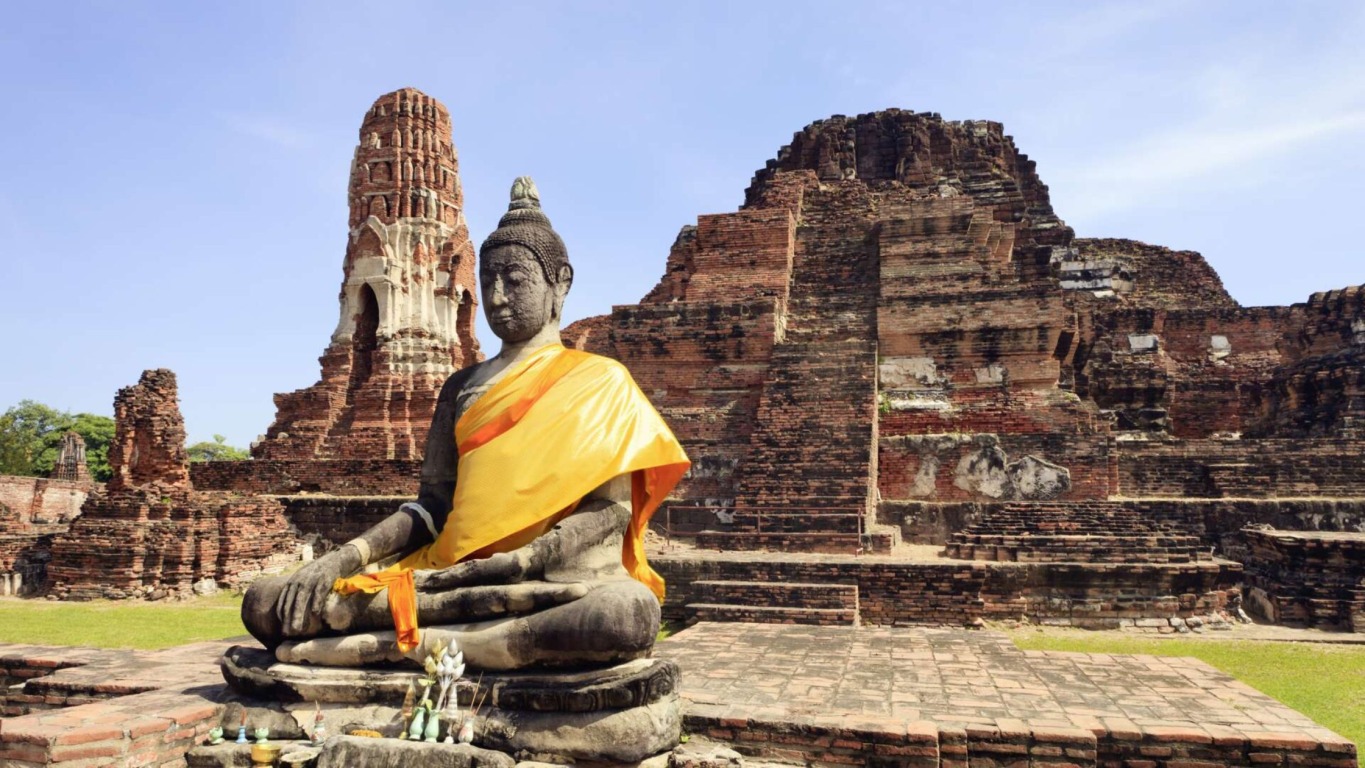
June – Tropical Showers and Lush Landscapes
Weather:
- Northern Thailand (Chiang Mai, Chiang Rai, Pai): Rainfall increases, especially in the afternoons, bringing cooler evenings and average highs of 29–32°C. The hills turn vivid green, and waterfalls are at their most photogenic.
- Central Thailand (Bangkok, Ayutthaya, Kanchanaburi): Humid with highs of 32–34°C. Short, heavy showers are common, but mornings are often sunny.
- Southern Thailand
- Andaman Coast (Phuket, Krabi, Koh Lanta): Monsoon season continues with frequent storms and rough seas, making water activities less reliable.
- Gulf Coast (Koh Samui, Koh Phangan, Koh Tao): Best weather in the country—plenty of sunshine, light breezes, and calm waters perfect for diving.
Why visit: Nature lovers will appreciate the lush countryside and fewer tourists in the north and central regions. The Gulf Coast islands shine in June, offering clear waters and quiet beaches. Prices remain lower than the peak season.
Good to know: The Andaman side experiences high waves, so inter-island boat services may be limited. Mosquito activity increases after rain, pack repellent.
July – Green Season Adventures
Weather:
- Northern Thailand (Chiang Mai, Chiang Rai, Pai): Continued rainy season, but showers are usually brief and followed by fresh, cool air. Temperatures hover around 28–31°C. Mountain scenery is stunning with misty mornings and flowing waterfalls.
- Central Thailand (Bangkok, Ayutthaya, Kanchanaburi): Hot and humid with highs of 32–34°C. Afternoon downpours provide relief from the heat.
- Southern Thailand
- Andaman Coast (Phuket, Krabi, Koh Lanta): Frequent heavy showers, strong waves, and reduced visibility for diving.
- Gulf Coast (Koh Samui, Koh Phangan, Koh Tao): Still enjoys good weather, sunny spells, calm seas, and average highs of 30–32°C.
Why visit: July is perfect for travelers who enjoy lush, off-peak travel. The north is magical for photography with vibrant landscapes and fewer crowds. The Gulf Coast remains a beach paradise with consistent sunshine.
Good to know: Expect occasional travel disruptions on the Andaman side due to storms. National parks in the north may close certain trails for safety during heavy rains.

August – Sunshine and Showers
Weather:
- Northern Thailand (Chiang Mai, Chiang Rai, Pai): Rain continues, but showers are often short and refreshing. Countryside is vibrant with rice fields turning bright green, and temperatures average 27–30°C.
- Central Thailand (Bangkok, Ayutthaya, Kanchanaburi): Hot and humid, around 32–34°C, with occasional afternoon storms. The mix of sunshine and rain keeps the scenery lush.
- Southern Thailand
- Andaman Coast (Phuket, Krabi, Koh Lanta): Still in monsoon season with rough seas and limited boat trips.
- Gulf Coast (Koh Samui, Koh Phangan, Koh Tao): Warm, mostly sunny, and a great time for diving or beach relaxation.
Why visit: August offers a mix of sunny breaks and dramatic skies, creating beautiful landscapes for photography. The north and central regions are rich in festivals and cultural charm, while the Gulf Coast remains your best bet for classic Thai beach days.
Good to know: Travelers can enjoy lower hotel rates and quieter attractions during this off-peak period. Expect occasional flight delays due to weather, and pack light rain gear for outdoor excursions.
September – Thailand’s Wettest Month
Weather:
- Northern Thailand (Chiang Mai, Chiang Rai, Pai): Rainfall peaks this month, but showers are often brief and followed by misty, photogenic landscapes. Temperatures range from 26–30°C. The countryside is at its greenest and most peaceful.
- Central Thailand (Bangkok, Ayutthaya, Kanchanaburi): Warm and humid, around 32–34°C. Expect heavy afternoon showers that quickly clear, leaving the city fresh and bright.
- Southern Thailand
- Andaman Coast (Phuket, Krabi, Koh Lanta): Rainy season continues with rough seas and limited marine activities.
- Gulf Coast (Koh Samui, Koh Phangan, Koh Tao): Still enjoys relatively good weather with moderate sunshine and calm waters.
Why visit: September is a serene time to experience Thailand’s natural beauty without the crowds. The landscapes are lush and photogenic, local markets are lively, and cultural sites are pleasantly quiet. Perfect for slow travel and authentic local experiences.
Good to know: Rain is frequent, so keep flexible plans for outdoor activities. Hotel rates remain low, and many travelers appreciate the tranquil atmosphere before the busy season returns.
October – The Return of Sunshine
Weather:
- Northern Thailand (Chiang Mai, Chiang Rai, Pai): Rainfall decreases noticeably, with plenty of sunny days and average highs around 30°C. The air feels fresh, and rice fields glow golden before harvest season.
- Central Thailand (Bangkok, Ayutthaya, Kanchanaburi): The rainy season draws to a close. Days are warm (31–33°C) with occasional afternoon showers, while evenings start to cool down slightly.
- Southern Thailand
- Andaman Coast (Phuket, Krabi, Koh Lanta): Rains taper off toward the end of the month, signaling the start of the dry season. Seas become calmer and clearer.
- Gulf Coast (Koh Samui, Koh Phangan, Koh Tao): Rain increases as the monsoon shifts east, with occasional storms and cloudy days.
Why visit: October marks the seasonal transition, bringing brighter skies and lush post-rain scenery across much of Thailand. It is a peaceful time to visit cultural sites, enjoy countryside drives, or take early dry-season beach breaks on the Andaman side.
Good to know: The north and central regions experience fewer tourists before the peak season rush. The Gulf Coast can be unpredictable, so plan beach stays on the Andaman side for better weather.

November – Cool Breezes and Clear Skies
Weather:
- Northern Thailand (Chiang Mai, Chiang Rai, Pai): One of the most pleasant months of the year. Skies are clear, humidity drops, and daytime temperatures range from 25–30°C. Evenings can be cool, especially in the mountains.
- Central Thailand (Bangkok, Ayutthaya, Kanchanaburi): Dry and sunny with highs around 30–32°C. Comfortable weather makes sightseeing and outdoor activities more enjoyable.
- Southern Thailand
- Andaman Coast (Phuket, Krabi, Koh Lanta): Fully into the dry season now, with bright sunshine, calm seas, and excellent visibility for snorkeling and diving.
- Gulf Coast (Koh Samui, Koh Phangan, Koh Tao): Rainy season continues, particularly early in the month, though showers start easing toward the end.
Why visit: November is one of the best months to visit Thailand. The weather is perfect for exploring temples, trekking in the north, and relaxing on Andaman beaches. It is also festival season, with the enchanting Loy Krathong and Yi Peng lantern celebrations lighting up the skies.
Good to know: Book accommodations early, as November marks the start of Thailand’s high season. Pack a light jacket for cooler northern nights and join locals in celebrating the magical lantern festivals.
December – Peak Season and Perfect Weather
Weather:
- Northern Thailand (Chiang Mai, Chiang Rai, Pai): Cool, dry, and clear with ideal conditions for outdoor adventures. Daytime temperatures range from 24–28°C, while evenings can drop to 12–15°C, especially in the mountains.
- Central Thailand (Bangkok, Ayutthaya, Kanchanaburi): Pleasantly warm with low humidity and highs around 30–32°C. Perfect conditions for temple visits and river cruises.
- Southern Thailand
- Andaman Coast (Phuket, Krabi, Koh Lanta): Excellent weather with calm seas, clear skies, and gentle sunshine, making it prime time for beach holidays.
- Gulf Coast (Koh Samui, Koh Phangan, Koh Tao): Early December can still see rain, but by mid-month, sunny and dry conditions return, ideal for snorkeling and island-hopping.
Why visit: December offers the best weather across most of Thailand. From vibrant city explorations in Bangkok to cool mountain escapes in Chiang Mai and pristine beaches in Phuket, it is the ultimate month for travelers seeking variety and comfort.
Good to know: December is Thailand’s peak tourist season, especially over Christmas and New Year. Book flights, hotels, and tours early to secure good rates and availability. Bring a light jacket for cool evenings up north.
So, When is the Best Time to Visit Thailand?
☀️ For dry days and sunshine: November to February brings cool, dry, and pleasant weather across most of Thailand. It is ideal for exploring Bangkok’s temples, taking river cruises, trekking in Chiang Mai, or relaxing on the beaches of Phuket and Koh Samui. Days are sunny, comfortable, and perfect for sightseeing.
🌿 For lush landscapes and fewer crowds: May to October is the green season. Rain showers often appear in the afternoon but pass quickly, leaving behind vibrant scenery, misty mountains, and quieter tourist spots. This is a wonderful time for nature lovers, waterfall chases, and tranquil countryside experiences.
🎉 For cultural festivals: Visit in April for Songkran, Thailand’s famous water festival, when the country comes alive with playful water fights, traditional rituals, and street celebrations. Loy Krathong (November) is another magical time to witness floating lanterns on rivers and lakes.
🚤 For island escapes and water adventures: The best months are December to March, when seas are calm, skies are clear, and snorkeling, diving, and island-hopping conditions are ideal. The Andaman and Gulf coasts both shine under the sun.
🌅 For off-the-beaten-path adventures: Consider the shoulder months like March or October, when you can enjoy fewer crowds, still-good weather, and more flexible travel plans. Great for temple tours, northern trekking, or combining Thailand with nearby destinations like Laos or Cambodia.