


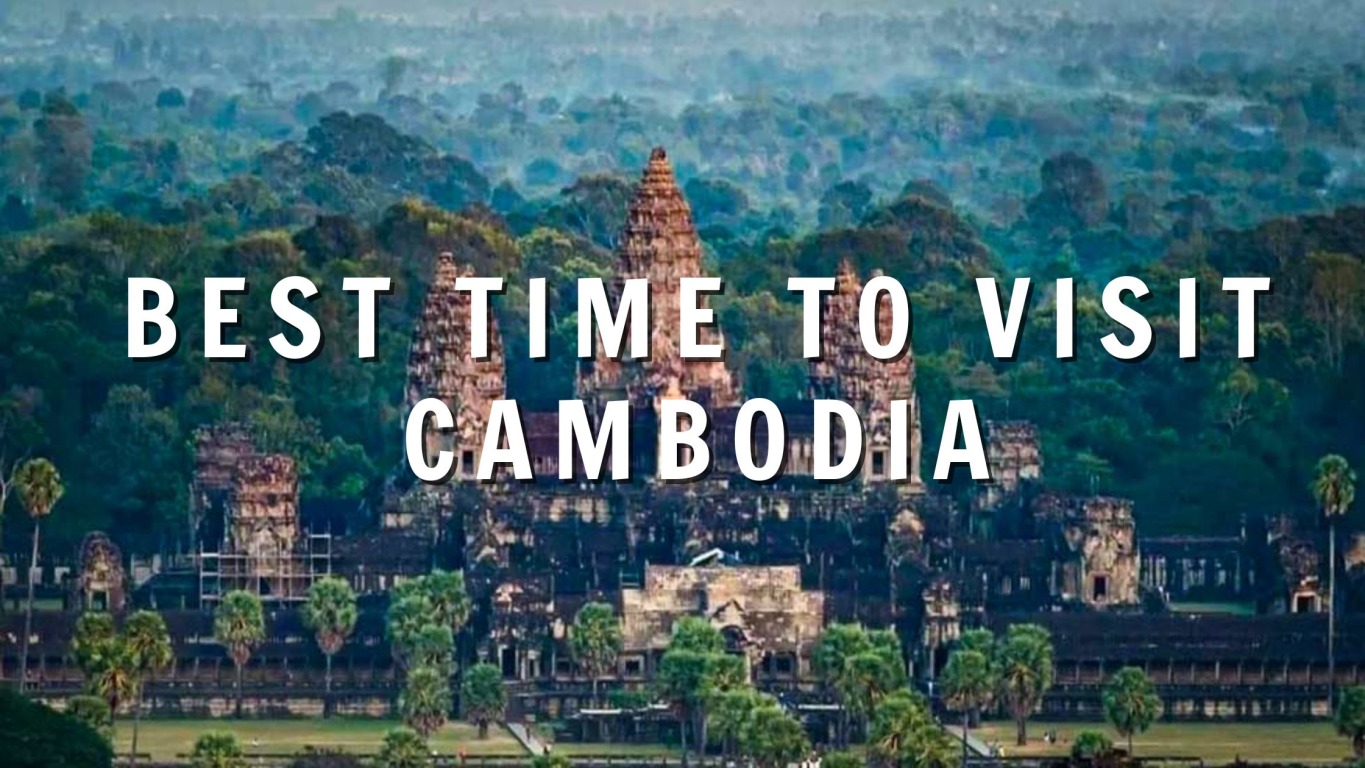
Are you planning a journey to Cambodia? Picture yourself standing before the sunrise-lit towers of Angkor Wat, drifting along the serene waters of Tonlé Sap Lake, or wandering through the wild beauty of the Cardamom Mountains. Cambodia is a land where ancient wonders and raw natural charm blend seamlessly, offering a sense of discovery at every turn.
From cool, golden mornings in winter to lush green rice fields after the rains and lively festivals bursting with color, every season reveals a different side of this enchanting country. Knowing when to go will help you experience Cambodia at its most magical—whether you dream of quiet temple dawns, vibrant city streets, or remote jungle adventures.
Overview of Weather in Cambodia
Cambodia’s climate is refreshingly straightforward, shaped by two distinct seasons, making it easy to plan your trip no matter what kind of adventure you’re seeking.
- Dry Season (November to April): This is the golden window for travel with its clear blue skies, low humidity, and pleasantly warm days (typically mid-20s °C). From November through February, you’ll experience the most comfortable weather, ideal for temple runs, city strolls, and Mekong or coastal escapes
- Green Season (May to October): The southwest monsoon brings revitalizing rain, often in the form of short, dramatic afternoon showers. These rains transform the landscape into a vivid green, swell rivers and Tonlé Sap, and make rural Cambodia breathtakingly lush, albeit with higher humidity and fewer crowds.
Annual temperatures hover between 24 °C and 32 °C, with March and April bringing the most intense heat, often reaching 35 °C or higher. The coolest period lands in the December–January range, offering refreshing relief and perfect sightseeing conditions.
Month-by-Month Travel Guide
January – Cool Breezes & Clear Skies
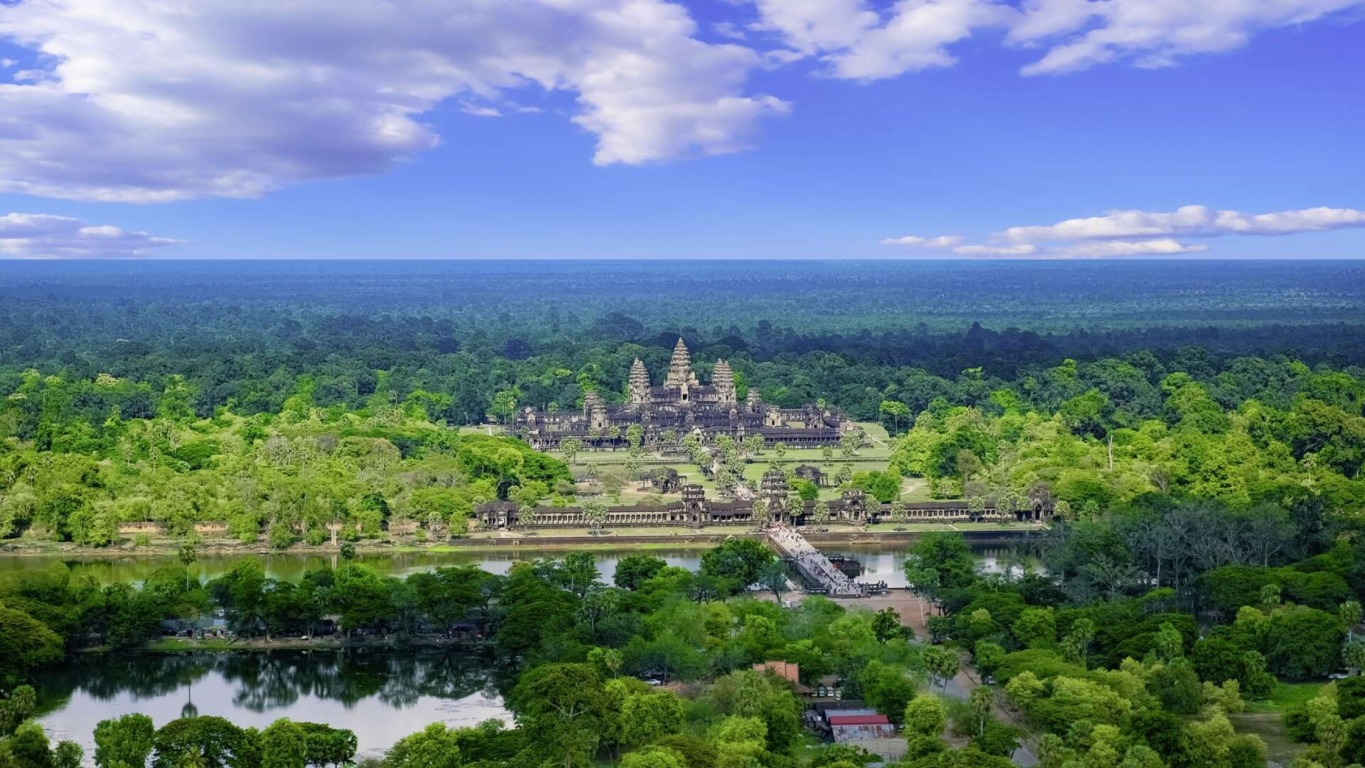
Weather snapshot: January marks the peak of the dry season in Cambodia. Temperatures are pleasantly warm, ranging from 22–30 °C, with low humidity and clear blue skies. Rainfall is extremely rare, and the countryside looks crisp and golden after the earlier monsoons. This is one of the most comfortable months for travel, especially in Phnom Penh and Siem Reap.
Why visit: This is a great month for exploring Angkor Wat, cycling through the countryside, or cruising on Tonlé Sap Lake. Cool mornings and golden sunsets make temple visits extra rewarding, while city streets buzz with energy as locals return to work and school after the New Year.
Good to know:
With ideal weather, January is also high season, so expect more visitors and higher hotel rates. It is wise to book accommodation and temple guides in advance. Light layers are perfect for the day, but a light jacket may be handy for cooler evenings, especially in rural areas or by the water.
February – Golden Light & Easy Travels
Weather snapshot: February continues the dry season with warm days and plenty of sunshine. Temperatures range from 24–32 °C, slightly warmer than January but still very comfortable. Rain remains unlikely, and skies stay bright and clear. The landscapes are dry but still photogenic, especially around ancient temples and countryside paths.
Why visit: Travelers can enjoy full-day temple explorations without the discomfort of heat or rain. It is also an excellent time for boat trips on the Mekong, countryside cycling, or relaxing poolside in Phnom Penh and Siem Reap. The air is dry, and sunsets are stunning.
Good to know: As this is still peak tourist season, many popular sites like Angkor Wat can get crowded, especially in the mornings. Booking in advance is recommended for top accommodations and private guides. Bring sun protection and stay hydrated, especially if you plan to be outdoors all day.
March – Sun-soaked Adventures Begin
Weather: March marks the transition from dry to hot season. Temperatures rise, often reaching 26–35 °C, with humidity gradually building up. Rainfall is still minimal, and skies remain mostly clear. This is one of the hottest months, especially toward the end, so early starts and shaded breaks are wise.
Why visit: With fewer crowds than peak months, March offers more space to explore temples and cultural sites. The golden light is ideal for photography, especially at sunrise and sunset. It is also a great time for visiting floating villages, silk farms, and rural landscapes before the rains return.
Good to know: Expect hotter midday temperatures, so plan active sightseeing in the early morning or late afternoon. Light clothing, sunscreen, and a refillable water bottle are must-haves. Some travelers might find the heat challenging, but most activities are still accessible and enjoyable.
April – Khmer New Year & Tropical Heat
Weather snapshot: April is Cambodia’s hottest month, with daytime temperatures often soaring between 28–38 °C. Humidity is high, and rain is rare but may appear as brief showers near the end of the month. The intense heat marks the end of the dry season, especially noticeable in cities and lowland areas.
Why visit: April is a cultural highlight thanks to Khmer New Year (Chaul Chnam Thmey), celebrated around April 13–16. Streets come alive with traditional games, music, and joyful water fights to wash away the past year’s bad luck. It is a unique chance to experience local life and festive spirit up close.
Good to know: Khmer New Year is a public holiday, so some shops and offices may close. Book accommodations and transport early. Bring sun protection and stay hydrated, especially when sightseeing in the heat. If you enjoy festivals and local traditions, this is a magical time to visit.
May – Lush Landscapes and Quieter Temples
Weather: May marks the start of the green season in Cambodia. Temperatures remain high, averaging between 26–35°C, but brief afternoon showers begin to refresh the countryside. Humidity rises noticeably, especially in the central lowlands, though mornings are still pleasant for outdoor activities. Rainfall is more frequent in coastal and southern regions, but it rarely disrupts travel plans entirely.
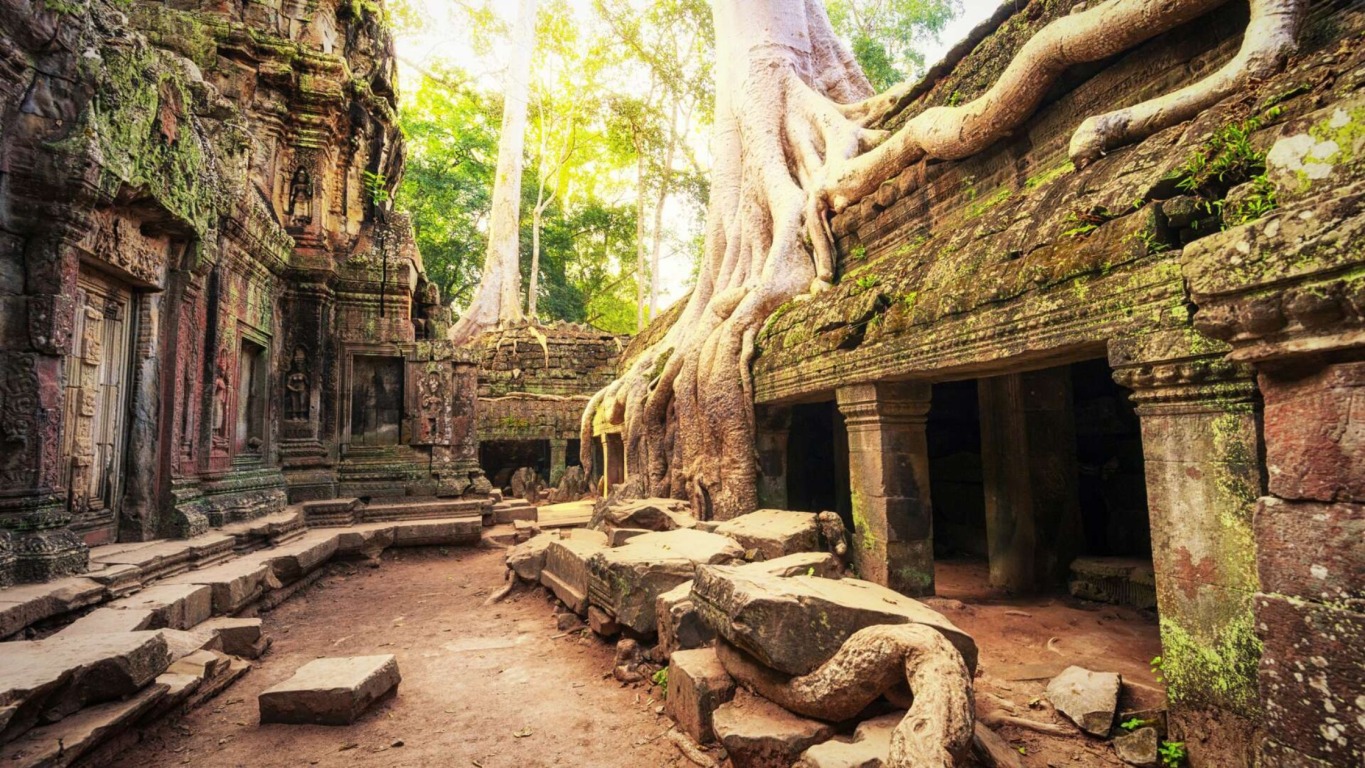
Why visit: May brings a new energy to the landscapes — rice paddies glow with fresh greenery, and temple sites are often quieter. This is a lovely time for travelers seeking a more peaceful Angkor Wat experience. The occasional rain adds a moody beauty to jungle ruins and countryside views.
Good to know: The wet season does not mean constant rain. Showers are typically short and late in the day, so planning early morning excursions works well. Visitor numbers dip in May, which means better availability and attractive rates on hotels and guided tours. Be prepared with light rain gear and good walking shoes.
June – Emerald Countryside and Afternoon Showers
Weather: June continues Cambodia’s green season with temperatures between 25–34°C. Humidity remains high, and short but heavy afternoon rains become more regular, especially in Phnom Penh and the southern regions. Mornings are often dry and clear, while the countryside transforms into vibrant green with fuller rivers and rice paddies.
Why visit: June offers a lush, dramatic side of Cambodia. The landscapes are at their most photogenic, from misty mountains to blooming lotus ponds. With fewer tourists, temple visits feel more serene and personal. It is also a rewarding time for photographers and nature lovers.
Good to know: Rainfall is typically predictable and short-lived, mostly in the late afternoon. Travel remains comfortable with early starts and indoor activities planned for later in the day. Roads are still accessible, and top sites like Angkor Wat remain open and enjoyable. You may also find excellent low-season offers on accommodations.
July – Verdant Landscapes and Local Life
Weather: July brings consistent rainfall, mostly in the form of brief afternoon downpours. Temperatures range from 25–33°C, with high humidity throughout the country. The north and central regions see slightly less rain than the coast. The landscape remains beautifully green and refreshed.
Why visit: Cambodia in July is alive with color and rhythm. Lush rice paddies, lively village life, and misty temples create an atmospheric charm. This is a great month to experience Cambodia’s slower pace, away from the usual tourist crowds. Local markets, cooking classes, and cultural activities are in full swing.
Good to know: Pack light rain gear and plan sightseeing in the mornings when the weather is usually clearer. Travel delays are rare, and roads are mostly unaffected. If you are looking for peaceful temple visits, authentic interactions, and great photography, July can be surprisingly rewarding.
August – Green Season at Its Peak
Weather: August continues the monsoon pattern, with daily showers that usually arrive in the afternoon. Temperatures hover between 25–32°C, with high humidity. Despite the rains, mornings are often bright and breezy. Rural landscapes are at their most vibrant, especially in the countryside and Tonlé Sap basin.
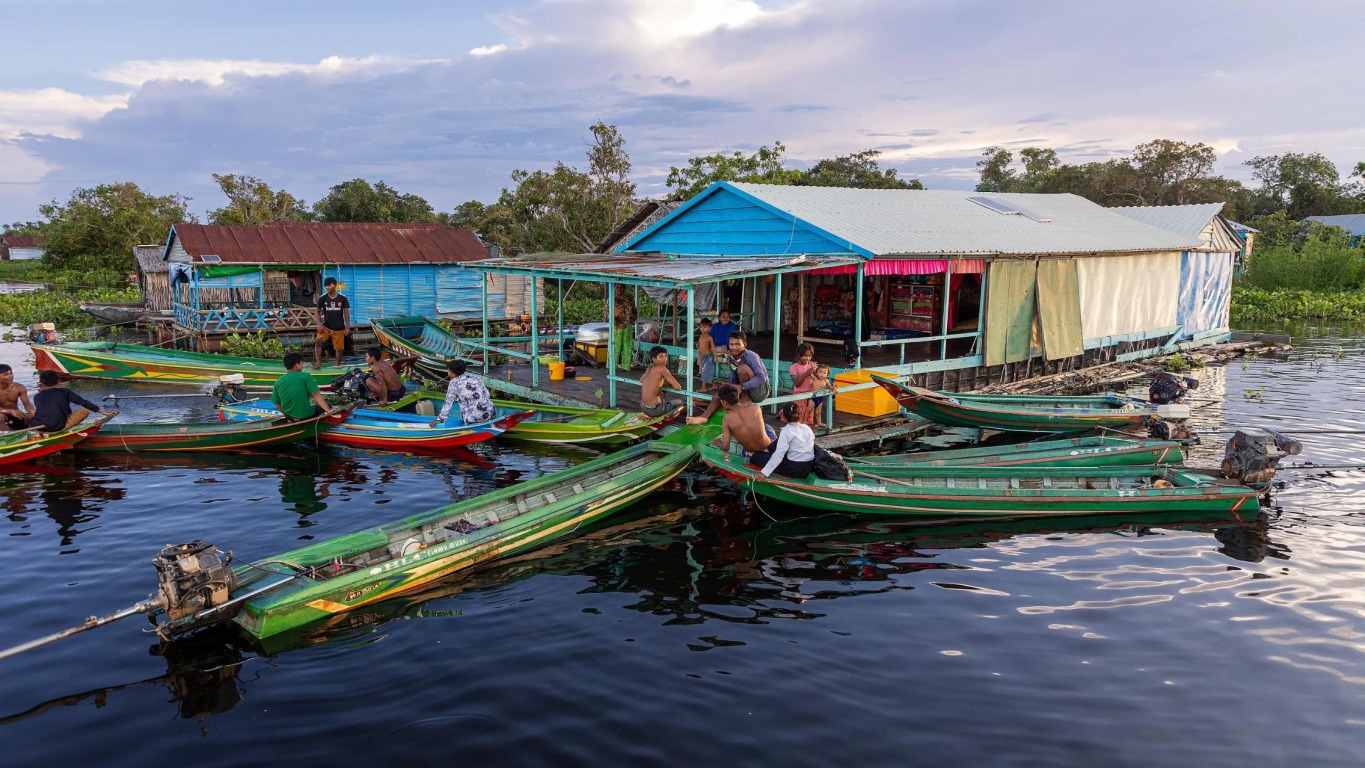
Why visit: This is when Cambodia is at its most photogenic: lush rice fields, cascading waterfalls, and reflective temple moats. Tonlé Sap Lake is full and thriving, making it an ideal time for boat trips to floating villages. With fewer tourists, iconic sites like Angkor feel calm and personal.
Good to know: Rain rarely disrupts travel plans, but having a flexible itinerary helps. Some unpaved roads may be muddy, especially in remote areas, so check local conditions. Bring waterproof shoes and quick-dry clothes – and enjoy the country in its raw, refreshing beauty.
September – Serenity and Lush Landscapes
Weather: September marks the tail end of the monsoon, with frequent afternoon or evening showers. Days are warm and humid, averaging 25–31°C. Countryside scenes are vivid and full of life, with overflowing rivers, dense jungle, and misty mornings – a dream for photographers.
Why visit: A peaceful time to explore Cambodia without the crowds. Angkor’s ancient temples emerge from a sea of green, and wildlife is active in national parks. This is also a rewarding time to experience authentic local life, especially in rural areas where rice planting is underway.
Good to know: Some boat services may be affected by river conditions, but Tonlé Sap remains navigable. Pack an umbrella and be prepared for the occasional downpour. Discounts on accommodations and tours are common, making this a great month for value-focused travelers.
October – Festivals and Fresh Air
Weather: The rains begin to ease in October, with clearer skies and refreshing breezes. Temperatures range from 24–31°C, and humidity starts to drop. The countryside remains lush, rivers run high, and the air feels crisp, especially in the mornings and evenings.
Why visit: October brings a blend of natural beauty and vibrant tradition. It is a great time to visit Phnom Penh and Siem Reap as the cities start to come alive with festivities. The Water Festival (Bon Om Touk) in late October or early November celebrates the end of the rainy season with boat races and joyful street gatherings.
Good to know: This is a transitional month, so some rain may linger, but it is far less disruptive. The Water Festival dates vary based on the lunar calendar, so check ahead if you want to witness it. Tourist numbers start to rise, especially toward the end of the month.
November – Clear Skies and Cultural Celebrations
Weather: November marks the true start of Cambodia’s dry season. Skies are bright, humidity is lower, and average temperatures range from 22–30°C. Rain is rare, and the landscape is still beautifully green from recent monsoons, making it a visually stunning time to travel.
Why visit: With clear weather and festive spirit, November is one of the most rewarding months to visit. Witness the grand That Luang Festival in Vientiane or the colorful Water Festival celebrations in Phnom Penh and Siem Reap. It is also a great time for Angkor Wat explorations and Tonlé Sap cruises under golden light.
Good to know: This is the beginning of peak travel season, so expect more tourists and rising prices, especially around festival dates. Book accommodations and tours early. The weather is ideal for everything from temple visits to nature escapes.
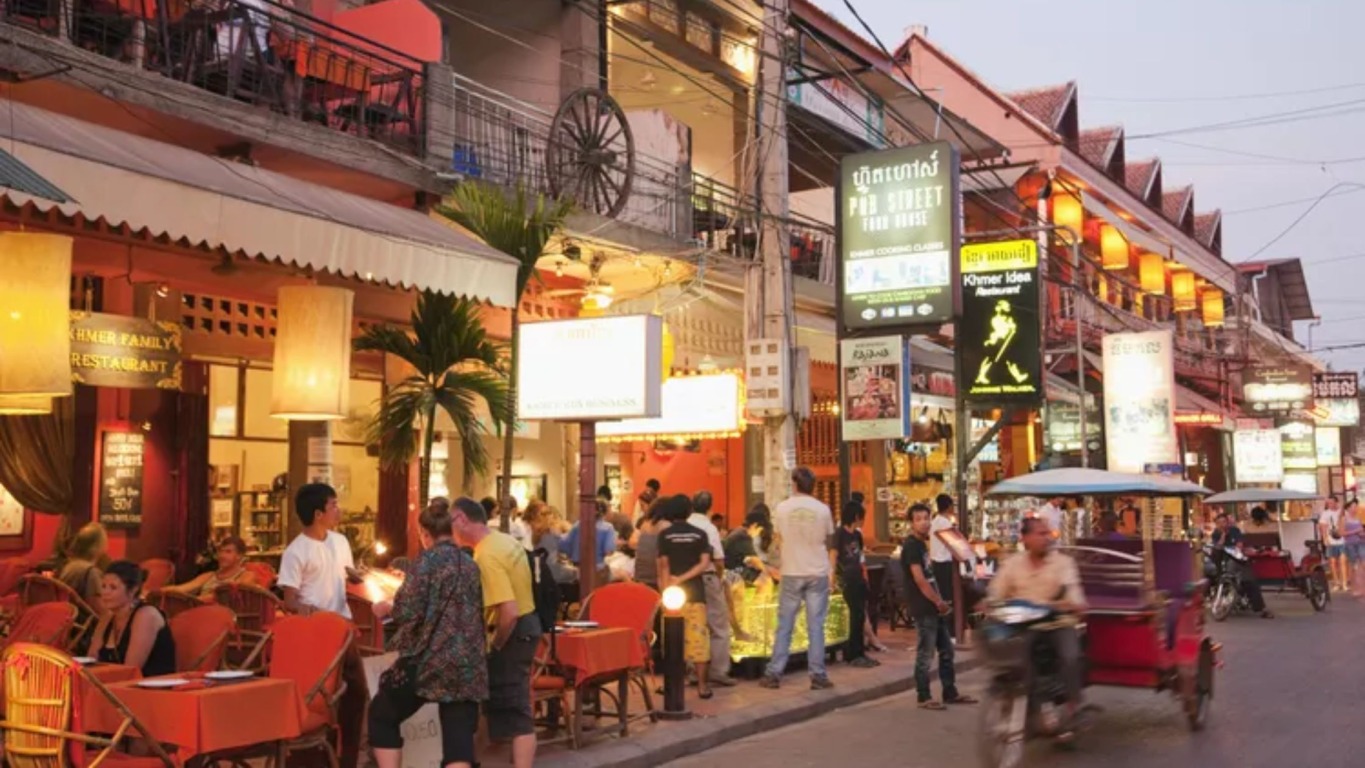
December – Cool Breezes and Festive Vibes
Weather: December is one of the most pleasant months to visit Cambodia. Temperatures are comfortable, ranging from 21–29°C, with little to no rain and clear, sunny days. Cool mornings and evenings add a refreshing touch, especially in the north and central regions.
Why visit: This is Cambodia at its most comfortable and photogenic. Angkor Wat glows under soft winter light, outdoor adventures are a joy, and the holiday spirit brings a cheerful buzz to cities like Phnom Penh and Siem Reap. Expect postcard-perfect conditions for all kinds of travel.
Good to know: As this is the heart of the peak season, popular sites can be busy, and accommodation fills up quickly. Early planning is essential for a smooth trip. Despite the crowds, the weather makes it worth it, especially for first-time visitors.
So, When is the Best Time to Visit Cambodia?
☀️ If you love dry days and sunshine: From November to March, Cambodia enjoys its most pleasant weather — dry, breezy, and not too hot. This is the perfect time to explore Angkor Wat at sunrise, take leisurely bike rides around Siem Reap, or enjoy a sunset cocktail by the riverside in Phnom Penh. Days are sunny and comfortable, making sightseeing feel effortless.
🌿 If you enjoy lush scenery and fewer tourists: May to October is Cambodia’s green season. Rain showers often come in the afternoon and quickly pass, leaving behind vibrant landscapes, cooler evenings, and a more peaceful atmosphere. Temples are surrounded by greenery, the countryside is glowing, and crowds are much thinner — ideal for photographers and mindful travelers.
🎉 If you want to experience cultural life: Visit in April for Khmer New Year, Cambodia’s biggest festival, when locals splash water, clean their homes, and celebrate with dancing and games. Pchum Ben (September–October) is another meaningful time to witness deep-rooted traditions as Cambodians honor their ancestors.
🚤 For cruises and countryside escapes: From November to early April, Tonle Sap Lake and the Mekong River are at their most inviting. This is the best time to enjoy floating villages, sunset cruises, or boat rides through peaceful floodplains and hidden wetlands near Battambang or Kratie.
🌅 If you seek off-the-beaten-path adventures: Try visiting in the shoulder months like May or October, when you can experience a bit of both worlds: good weather, fewer crowds, and lower travel costs. These are great months for temple hopping, village visits, or combining Cambodia with nearby destinations.
Ready to Experience Cambodia?
From the timeless majesty of Angkor Wat to the laid-back rhythms of riverside towns, Cambodia is a land where ancient history and heartfelt hospitality come together. Whether you wander through jungle-clad temples, cycle past golden rice fields, or cruise along the Mekong at sunset, every journey here feels personal and profound.
Each season paints Cambodia with a different brush — from cool, golden mornings in the dry season to the lush, rain-washed beauty of the green months. There is no wrong time to go, only the right time for your kind of adventure.
Let Cambodia’s sacred traditions, vibrant street life, and warm smiles welcome you. Start planning your journey and let this captivating kingdom leave a lasting mark on your heart.