


If there is one city in Vietnam where you should arrive hungry, it is Saigon.
Officially known as Ho Chi Minh City, Saigon has always been a meeting point of people, cultures and flavours. Families arriving from Northern and Central Vietnam brought their own recipes, while Chinese, Khmer and international influences became part of the city’s culinary identity.
The result is one of Vietnam’s most exciting food cities.
You can start the morning with broken rice on a tiny plastic stool, stop for Vietnamese coffee in an old apartment building, have a bowl of noodles for lunch and finish the day at one of the city’s contemporary Michelin-starred restaurants.
For first-time visitors, however, the choices can be overwhelming.
So what should you actually eat in Saigon, and where should you try it?
Here is our local guide to some of the dishes and dining experiences worth making time for.
What Food Is Saigon Famous For?
1. Cơm Tấm – Saigon’s Iconic Broken Rice
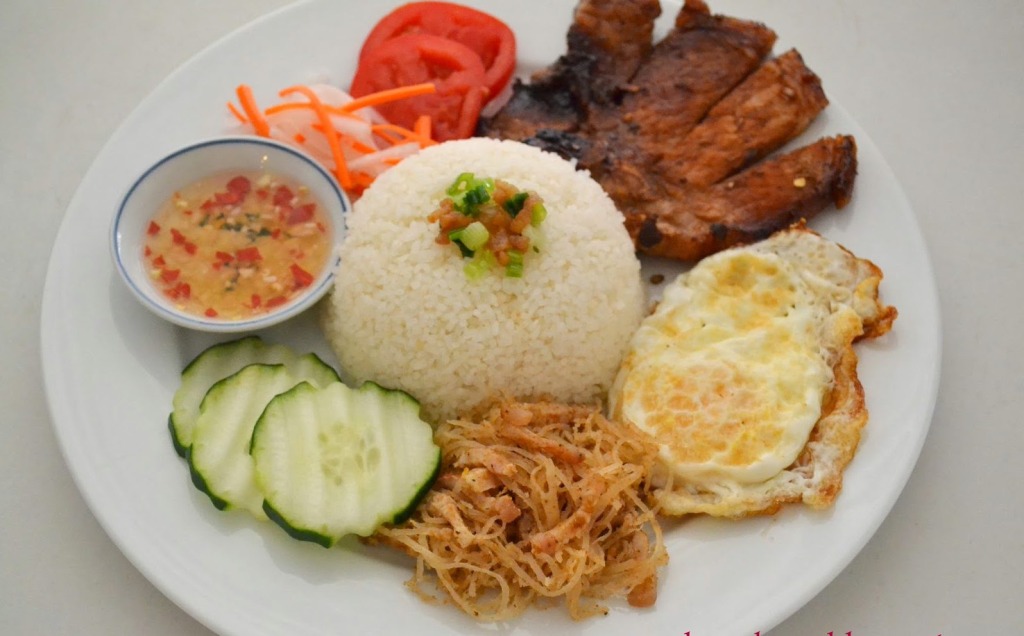
If there is one dish that feels unmistakably Saigon, it might be cơm tấm, or broken rice.
Originally a humble meal made with fractured grains of rice, cơm tấm has grown into one of Southern Vietnam’s most recognisable everyday dishes.
A typical plate comes with a charcoal-grilled pork chop, shredded pork skin, steamed egg cake, pickled vegetables and fish sauce. Add a fried egg if you’re hungry.
Where to try it: Cơm Tấm Ba Ghiền is one of the city’s best-known addresses for the dish and is recognised by the MICHELIN Guide.
ALO Travel Asia tip: Try cơm tấm for breakfast or lunch. It is everyday Saigon food at its best.
2. Phở – Try It Southern Style
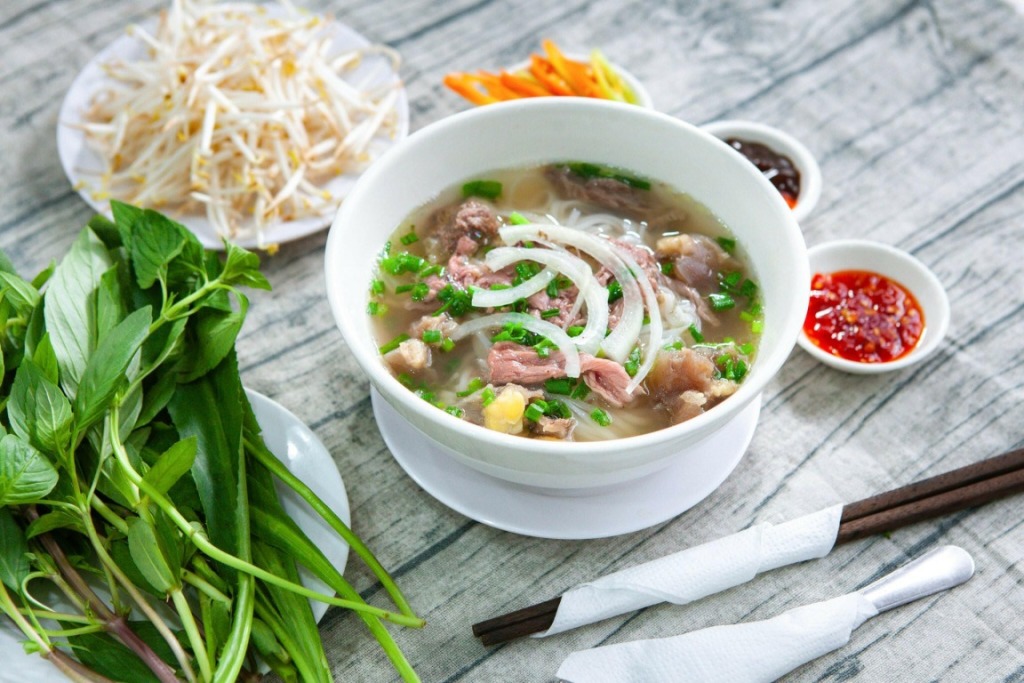
You may already know phở, but Saigon’s version has its own personality.
Southern-style phở is generally served with a generous plate of fresh herbs, bean sprouts and lime, with sauces and condiments on the table so you can adjust the bowl to your taste.
Where to try it: Phở Lệ is a long-established Saigon institution and a MICHELIN Bib Gourmand. Other Michelin-recognised local names include Phở Minh, Phở Phượng and Phở Hoàng.
What to order: Try phở tái for rare beef or phở tái nạm for a combination of rare and cooked beef.
3. Bánh Mì – The Ultimate Saigon Street Food
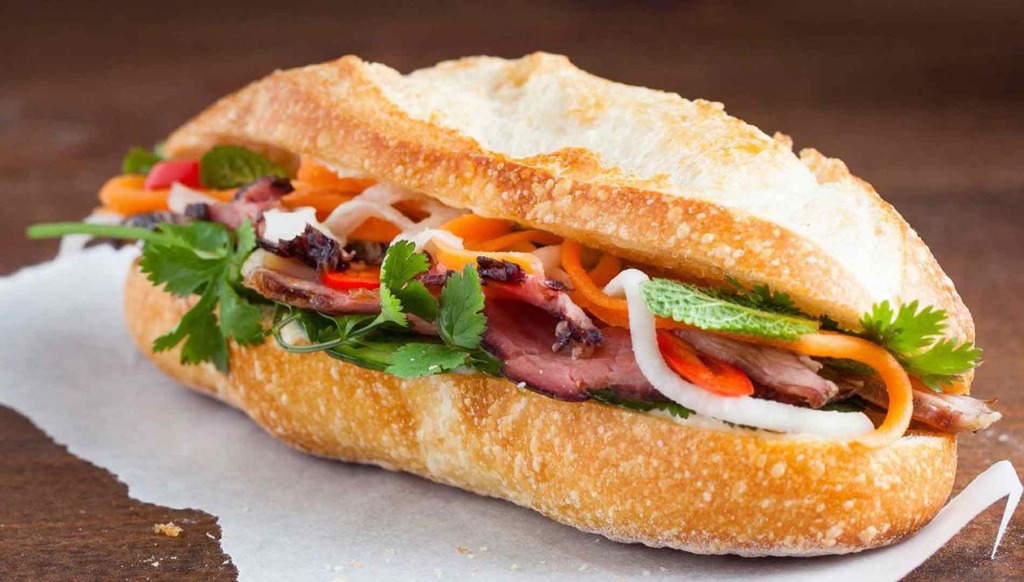
Few foods match Saigon’s personality better than bánh mì: quick, affordable, full of flavour and easy to eat almost anywhere.
A crisp baguette can be filled with pâté, Vietnamese cold cuts, meatballs or grilled meat, then balanced with cucumber, coriander, pickled vegetables and chilli.
There is no single “correct” Saigon bánh mì. Every bakery, family business and street cart seems to have its own version.
ALO Travel Asia tip: Don’t only search for the famous names you see online. A busy neighbourhood bánh mì cart surrounded by local customers can be just as rewarding.
4. Bánh Xèo – Crispy Vietnamese Pancakes
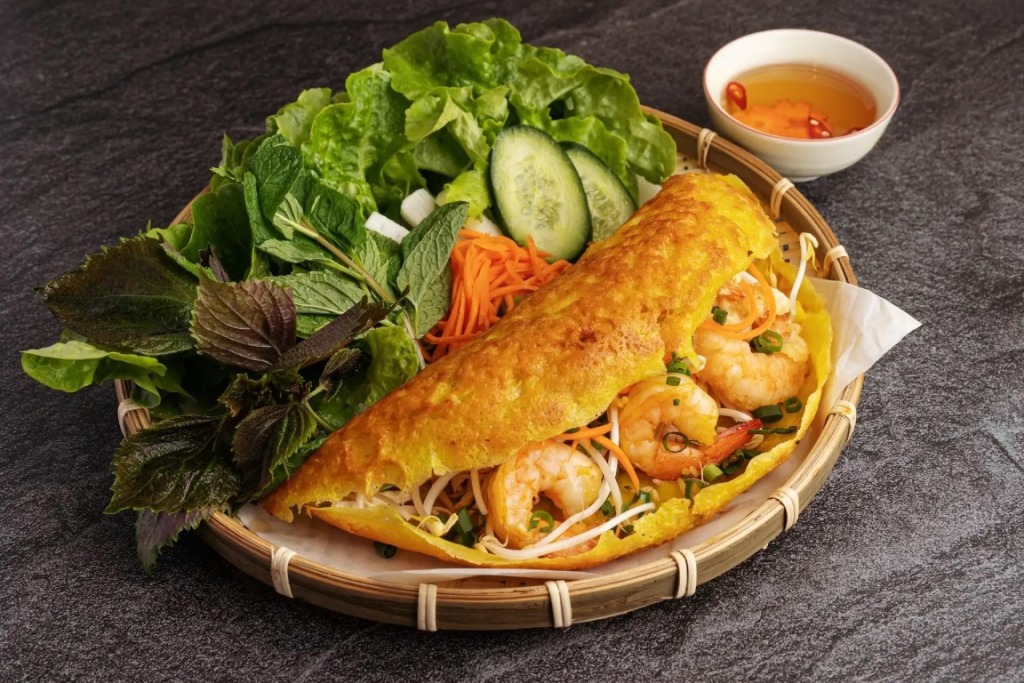
The name bánh xèo comes from the sizzling sound the batter makes when it hits the hot pan.
These thin, crispy pancakes are usually filled with pork, shrimp and bean sprouts.
The fun is in how you eat them: tear off a piece, wrap it in lettuce and fresh herbs, and dip everything into fish sauce.
Where to try it: Bánh Xèo 46A is one of Saigon’s long-established bánh xèo restaurants and a MICHELIN Bib Gourmand.
This is an especially good dish to order when travelling with family or friends because it is made for sharing.
5. Bún Riêu – Go Beyond Phở
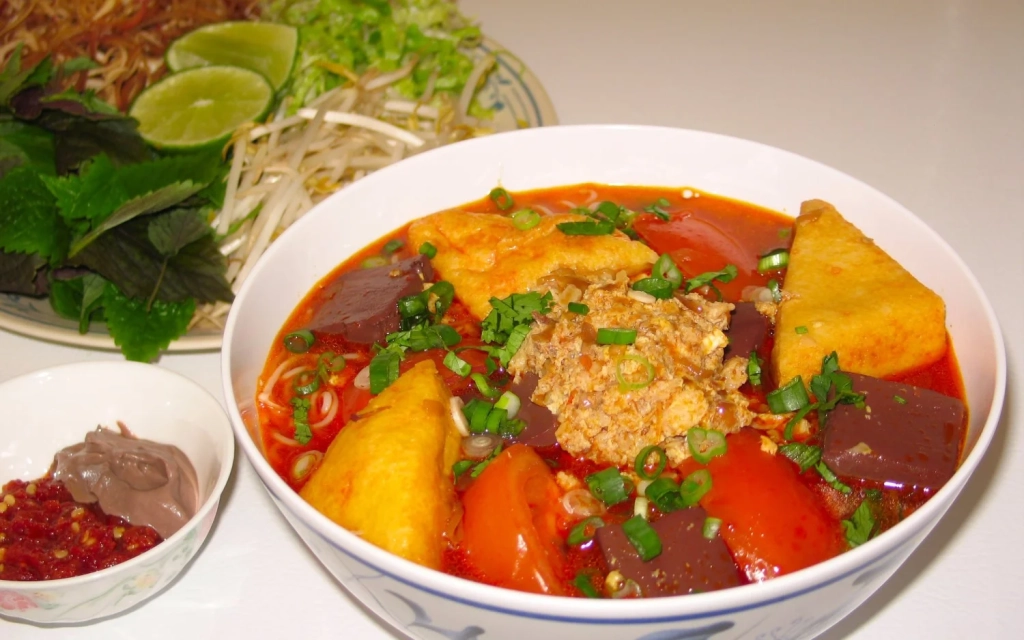
Phở receives most of the international attention, but Vietnam’s noodle culture goes much deeper.
Bún riêu combines rice noodles with a tomato-based broth, crab mixture, tofu, herbs and other ingredients depending on the restaurant.
It is savoury, slightly tangy and wonderfully comforting.
Where to try it: Bún Riêu Yến is among the affordable street-food establishments recognised by the MICHELIN Guide.
If you’ve already had your first bowl of phở, make this one of the next Vietnamese noodle soups you try.
6. Bò Kho – Vietnamese Beef Stew
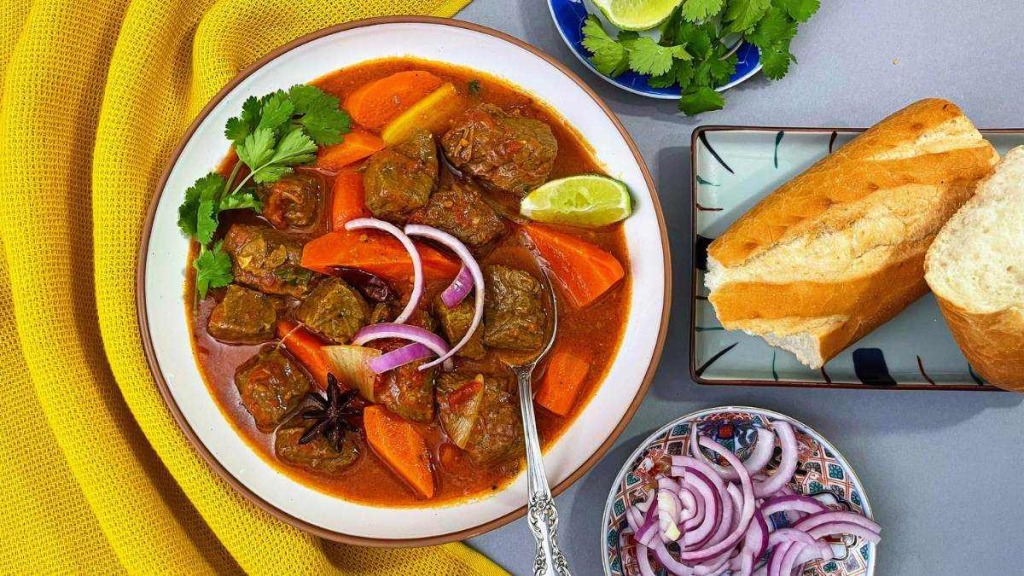
Rich, aromatic and comforting, bò kho is a Vietnamese beef stew flavoured with spices and usually served with either noodles or a crusty baguette.
If you choose the bread version, tear pieces from the baguette and use them to soak up the broth.
Where to try it: Bò Kho Gánh is another local street-food address included in the MICHELIN Guide.
And yes, eating beef stew for breakfast is perfectly acceptable in Saigon.
7. Ốc – A Very Saigon Evening
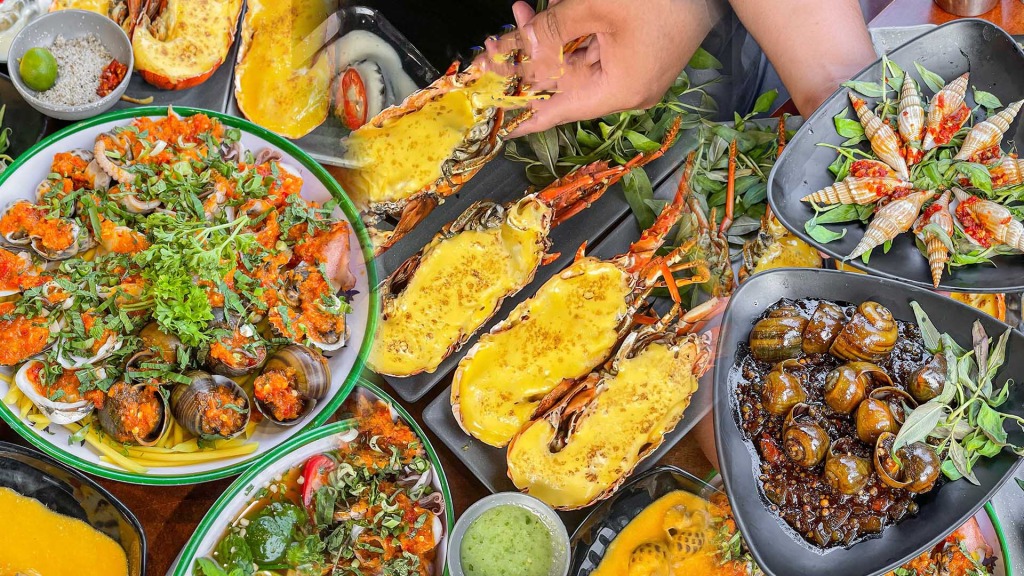
Want to experience Saigon after dark like a local? Go for ốc.
Although the word literally means snails, an ốc restaurant usually serves much more: clams, scallops, crab claws, shrimp and other seafood cooked with garlic, lemongrass, chilli, tamarind, coconut milk or salted egg.
The experience is just as important as the food.
Friends gather around small tables, order many dishes to share and stay for hours chatting over food and drinks.
Where to try it: Ốc Đào and several other local seafood restaurants are included in the MICHELIN Guide’s Ho Chi Minh City selection.
ALO Travel Asia tip: This is one food experience where going with a local can be particularly useful. The menus can be enormous, and knowing what — and how much — to order is part of the fun.
Best Local Restaurants in Saigon for Vietnamese Food
Street food is essential, but it represents only one side of Vietnamese cuisine.
For at least one meal, sit down for a traditional Vietnamese family-style dinner.
Instead of each person ordering a separate main course, several dishes are placed in the centre of the table and shared with steamed rice.
A meal might include caramelised fish or pork, stir-fried vegetables, tofu, soup and seasonal dishes.
Bếp Mẹ Ỉn
A good option for first-time visitors wanting familiar Vietnamese dishes in a comfortable setting. The restaurant is also recognised by the MICHELIN Guide.
Cục Gạch Quán
Cục Gạch Quán is one of our favourite choices for travellers wanting a slower, family-style Vietnamese meal.
The setting feels nostalgic and residential, while the menu focuses largely on traditional Vietnamese cooking.
This is a good place to experience the way Vietnamese dishes work together as a meal rather than ordering one individual dish.
Chợ Lớn – Eat Beyond District 1
Some of Saigon’s most interesting food experiences are found away from the central tourist area.
Head to Chợ Lớn, the city’s historic Chinatown, to explore a completely different side of Saigon’s culinary identity.
Generations of Chinese-Vietnamese families have shaped the area’s food culture, creating a fascinating mix of Cantonese, Teochew and Vietnamese influences.
Look for wonton noodles, roasted meats, dumplings, Chinese-style rice dishes and traditional herbal drinks.
Don’t visit Chợ Lớn only for its temples and markets. Give yourself time to eat here too.
Michelin Guide Restaurants in Saigon
One of the interesting things about Saigon today is that its food scene stretches from tiny street stalls to serious fine dining.
The MICHELIN Guide now recognises restaurants across the city, including local street-food establishments, Bib Gourmand restaurants and Michelin-starred dining.
Michelin-Starred Restaurants in Saigon
If you are celebrating a birthday, honeymoon, anniversary or simply want one special meal during your Vietnam journey, Saigon has several interesting options.
Ănăn Saigon is perhaps the best-known example of modern Vietnamese dining in the city, reinterpreting familiar Vietnamese flavours and street-food influences through contemporary techniques.
Other Michelin-starred restaurants in the city include Coco Dining, Long Trieu, Akuna, CieL and Upstairs.
The styles vary considerably — from contemporary Vietnamese and Cantonese cuisine to innovative tasting menus — so it is worth choosing based on the type of experience you enjoy rather than simply selecting a restaurant because it has a star.
ALO Travel Asia tip: Reserve Michelin-starred restaurants well in advance, particularly for Friday and Saturday evenings and during peak travel periods.
Michelin Food Without the Fine-Dining Price
One of our favourite things about the MICHELIN Guide in Vietnam is that Michelin recognition doesn’t necessarily mean an expensive dinner.
The Bib Gourmand category highlights restaurants offering particularly good food and value.
For travellers, these can sometimes be even more interesting than the fine-dining restaurants because many serve dishes Vietnamese people actually eat in everyday life.
Names worth keeping on your food list include:
- Cơm Tấm Ba Ghiền – broken rice and charcoal-grilled pork
- Phở Lệ – Southern-style beef phở
- Bánh Xèo 46A – crispy Vietnamese pancakes
- Cục Gạch Quán – traditional Vietnamese family-style food
- Chay Garden – Vietnamese vegetarian cuisine
- Hum Garden – vegetarian cuisine
The beauty of eating in Saigon is that a memorable meal doesn’t have to come with a large bill.
Best Street Food Experiences in Saigon
If you’re comfortable exploring on your own, wander through residential neighbourhoods rather than limiting yourself to the streets immediately around major attractions.
Look for busy places with lots of local customers.
Better still, spend one evening exploring the city with a local guide. A good Saigon food experience isn’t simply about being taken to five restaurants.
It should help you understand why people eat certain dishes, how neighbourhoods developed and what food tells us about the people who live there.
For us, that storytelling is what turns a meal into a travel experience.
Vegetarian Food in Saigon
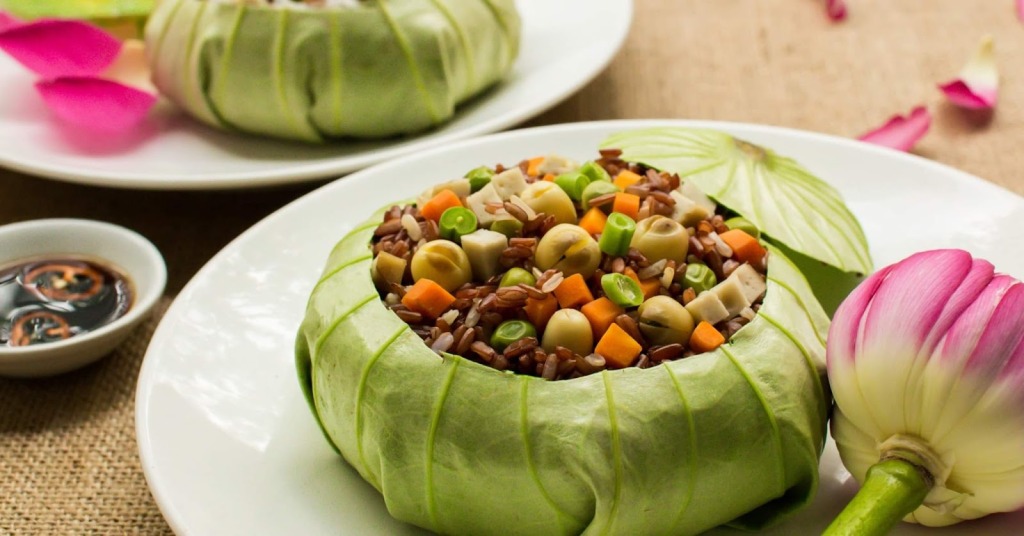
Vegetarian food — đồ chay — has deep roots in Vietnamese culture, particularly through Buddhist traditions.
Vietnamese vegetarian cooking goes far beyond replacing meat with tofu.
Mushrooms, lotus stems, banana blossom, vegetables, herbs and soy products are combined to create surprisingly complex dishes.
Chay Garden and Hum Garden are both recognised by the MICHELIN Guide and are good choices for travellers wanting a more polished introduction to Vietnamese vegetarian cuisine.
Even if you’re not vegetarian, try at least one vegetarian Vietnamese meal during your trip.
Don’t Forget Saigon Coffee
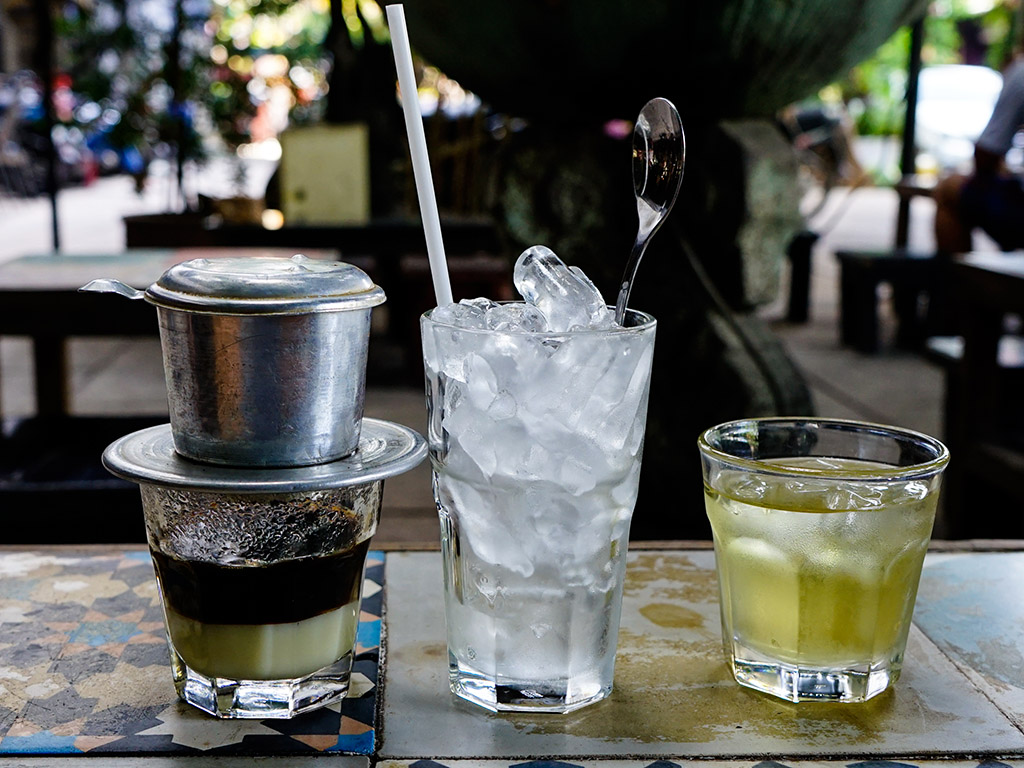
Food gets most of the attention, but coffee is part of the rhythm of everyday life in Saigon.
At least once, order a traditional cà phê sữa đá — strong Vietnamese coffee with condensed milk poured over ice.
But don’t stop there.
Saigon has everything from pavement coffee stalls and decades-old cafés to hidden coffee shops inside old apartment buildings and a rapidly growing specialty coffee scene.
Sometimes one of the best ways to experience the city is simply to order a coffee, find a seat facing the street and watch Saigon move around you.
Where to Eat in Saigon by Area
District 1 – Convenient for First-Time Visitors
If you’re staying in central Saigon, District 1 offers the easiest mix of local restaurants, cafés, contemporary Vietnamese dining and fine dining.
It’s particularly convenient for your first evening in the city when you may not want to travel far from your hotel.
District 3 & Tân Định – Local Food Close to the Centre
Head slightly outside District 1 and the atmosphere quickly becomes more residential.
This is a good area for traditional Vietnamese restaurants, neighbourhood cafés and everyday local food while remaining within easy reach of the city centre.
Chợ Lớn – Chinese-Vietnamese Food & Culture
For travellers who enjoy discovering the relationship between food, migration and history, Chợ Lớn deserves at least half a day.
Combine temples, markets and neighbourhood exploration with lunch or an early dinner.
What to Eat in Saigon If You Only Have One Day
If you only have one food-focused day in Saigon, don’t try to tick off twenty dishes.
A simple plan could look like this:
- Breakfast: Cơm tấm or phở
- Morning: Vietnamese coffee
- Lunch: Bánh xèo or bánh mì
- Afternoon: Another coffee — this is Saigon, after all
- Dinner: Vietnamese family-style restaurant
- Evening: Street food or ốc if you’re still hungry
If you would like something special, replace dinner with one of the city’s Michelin-starred restaurants.
The goal isn’t to eat as many famous dishes as possible.
It’s to experience the different ways Saigon eats.
Saigon Food Tips for First-Time Visitors
Busy restaurants and food stalls are often a good sign, as high turnover generally means ingredients are being used quickly.
For street food, favour places where food is cooked fresh and served hot.
If you have allergies or dietary restrictions, communicate them clearly. Fish sauce, shrimp paste, peanuts and other ingredients can appear in dishes where international visitors may not expect them.
For popular Michelin restaurants and fine dining, make reservations in advance.
And finally, don’t be afraid of the tiny plastic stools.
Some of the most memorable meals in Saigon don’t come with tablecloths, reservations or elaborate menus.
They simply come with very good food.
Experience Saigon Through Its Food
Saigon isn’t a city where food exists separately from everyday life.
Breakfast happens on the pavement. Coffee turns into conversation. Family recipes pass from one generation to another, while young chefs continue to reinterpret what Vietnamese cuisine can be.
For us, discovering Saigon through food isn’t simply about finding the “best restaurant”.
It’s about understanding the neighbourhoods, people and stories behind what you’re eating.
At ALO Travel Asia, we design tailor-made journeys throughout Vietnam and can incorporate local food experiences, market visits, neighbourhood discoveries, cooking experiences and restaurant recommendations into your Saigon itinerary.
Whether you want to sit on a plastic stool for a bowl of noodles, explore the flavours of Chợ Lớn, enjoy a Vietnamese family-style dinner or celebrate with a Michelin-starred meal, we can help you experience a different side of Saigon.
Sometimes the best way to understand a city is simply to sit down and eat with it.
Frequently Asked Questions About Food in Saigon
What food is Saigon most famous for?
Cơm tấm is perhaps the dish most closely associated with Saigon. Bánh mì, Southern-style phở, bánh xèo, noodle soups and the city’s enormous variety of street food are also worth exploring.
What are the must-try foods in Ho Chi Minh City?
For a first visit, start with cơm tấm, bánh mì, phở, bánh xèo and Vietnamese coffee. Then explore dishes such as bún riêu, bò kho and ốc.
Where should I eat in Saigon for the first time?
Combine different styles rather than choosing only famous restaurants. Try one neighbourhood street-food meal, one Vietnamese family-style restaurant and, if your budget allows, one contemporary or Michelin-recognised dining experience.
Are there Michelin-starred restaurants in Saigon?
Yes. Ho Chi Minh City has several Michelin-starred restaurants, including restaurants specialising in contemporary Vietnamese, innovative and Cantonese cuisine.
Are Michelin restaurants in Saigon expensive?
Not all of them. The MICHELIN Guide also includes Bib Gourmand and affordable local restaurants, so Michelin-recognised food in Saigon can range from inexpensive bowls of noodles and broken rice to sophisticated tasting menus.
Is street food in Saigon safe for tourists?
Many travellers enjoy Saigon street food throughout their stay. Choose busy vendors, favour freshly cooked food served hot and take extra care if you have allergies or a sensitive stomach.
Which area of Saigon is best for food?
District 1 is convenient for first-time visitors, while District 3 and Tân Định offer a more residential atmosphere close to the centre. Chợ Lớn is particularly interesting for Chinese-Vietnamese food and cultural history.
How many days do I need to explore Saigon’s food scene?
Two to three days gives you enough time to experience street food, Vietnamese coffee, neighbourhood restaurants and family-style dining without rushing. Food lovers could easily spend much longer.